

Why You’re Not Taking Your Meds Like You Should (And How to Fix It)
Half of all people with chronic conditions like high blood pressure, diabetes, or heart disease don’t take their meds as prescribed. Not because they’re lazy. Not because they don’t care. But because it’s hard. Forgotten pills. Confusing schedules. Costly prescriptions. Side effects that scare them off. By the time the refill is due, they’ve already skipped a week. And no one’s asking them about it.
The truth? Skipping doses isn’t just a minor slip-it’s dangerous. In the U.S., poor medication adherence causes around 125,000 deaths every year. That’s more than traffic accidents. And it’s not just about dying. It’s about ending up back in the hospital, watching your health spiral, and paying more in the long run because your condition got worse.
What Medication Adherence Really Means
Adherence isn’t just about swallowing pills. It’s three things: starting the medication, taking it the right way (right dose, right time), and not stopping early. Most people think they’re doing fine if they take it "most of the time." But doctors call that non-adherence. The standard? You need to take at least 80% of your prescribed doses to be considered adherent. That means if you’re supposed to take a pill every day for 30 days, you can miss only 6. Any more, and your treatment loses its power.
And here’s the twist: not all missed doses are accidents. Some are intentional. People stop because they feel fine, think the drug isn’t working, or fear side effects. Others forget because their schedule is chaotic. The fix? You need different strategies depending on why you’re missing pills.
The Top 5 Reasons People Skip Their Meds
- Forgetfulness - 68% of people say this is their biggest problem. Life gets busy. You’re rushing to work. Your phone dies. You’re not thinking about pills.
- Complex regimens - Taking five different pills at four different times a day? That’s a nightmare. Each extra daily dose cuts adherence by about 2%. Four times a day? Your chances of sticking to it drop to 51%.
- Cost - One in two non-adherent patients say they skip doses because the prescription is too expensive. Even if you have insurance, copays can hit $50 or more per month for chronic meds.
- Side effects - Dizziness, nausea, fatigue. If you feel worse after taking your pill, it’s natural to want to stop. But you might not tell your doctor.
- Beliefs - "I don’t need it if I feel fine." "This is just a placebo." "Natural remedies work better." These thoughts are common-and they’re dangerous.
Simple, Proven Ways to Stay on Track
There’s no magic bullet. But dozens of real people-people just like you-have found ways that work. Here’s what actually helps:
1. Use a Pill Organizer (The Old-School Winner)
Blister packs and weekly pill boxes aren’t fancy, but they work. A survey of 1,200 patients found that 73% of those who used them said it made a big difference. Buy one with compartments for morning, afternoon, evening, and night. Fill it every Sunday. If you don’t have a pill to take at a certain time, you’ll notice right away.
2. Set Phone Alarms (And Use the Right App)
Most people use their phone’s alarm app. But dedicated apps like Medisafe or Mango Health do more. They don’t just buzz-they track what you took, remind you if you miss one, and even notify a family member if you don’t respond. One Reddit user with diabetes said using Medisafe boosted their adherence by 22% in three months.
Pro tip: Set two alarms-15 minutes apart. The first is your cue. The second is your backup.
3. Simplify Your Regimen
Ask your doctor: "Can I switch to a once-daily pill?" Many drugs have long-acting versions. Some meds can be combined into a single tablet. For example, blood pressure patients used to take three pills. Now, there are combo pills that do the same job in one. One study showed that switching to once-daily dosing raised adherence from 51% to 79%.
4. Talk to Your Pharmacist
Pharmacists aren’t just pill dispensers. They’re medication experts. Ask them to review all your meds-prescription, OTC, supplements. They’ll spot duplicates, dangerous interactions, or ways to cut down. Many pharmacies now offer free adherence counseling. No appointment needed. Just walk in.
5. Get Financial Help
If cost is the problem, you’re not alone. Talk to your doctor about generic alternatives. Ask if the manufacturer has a patient assistance program. Many drug companies give free or low-cost meds to people who qualify. You can also use GoodRx or SingleCare to compare prices across pharmacies. One woman in Colorado cut her monthly insulin cost from $400 to $35 using a discount card.
What Doctors and Pharmacies Are Doing to Help
It’s not all on you. The healthcare system is waking up. Here’s what’s changing:
- Team-based care - Hospitals now pair patients with pharmacists who call weekly, check in on side effects, and refill prescriptions automatically. One program saw 89% adherence 12 months after discharge-up from 74%.
- Electronic alerts - Your doctor’s system can now see if you picked up your prescription. If you didn’t, a nurse might call you. You don’t even have to ask.
- AI predictions - Some clinics now use AI to predict who’s likely to miss doses before it happens. They flag patients 30 days in advance and reach out with personalized support.
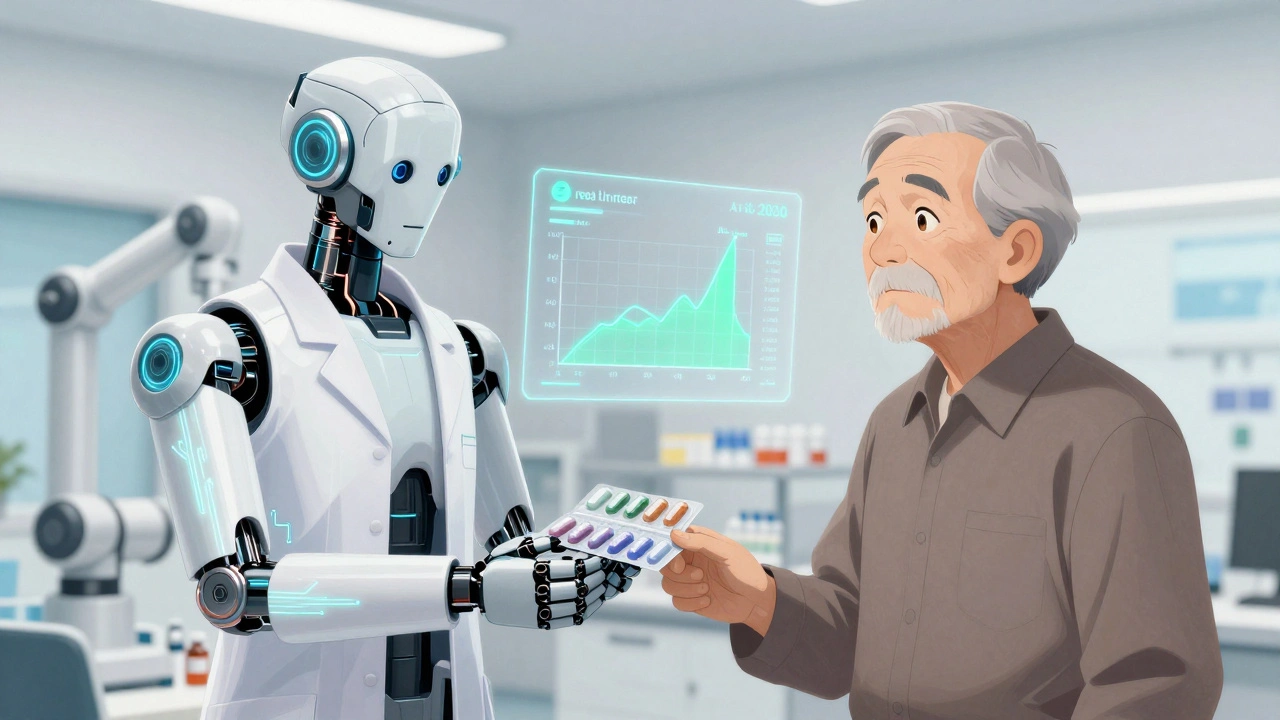
- Blister packs by mail - If you take 5+ meds daily, your pharmacy can send you pre-sorted weekly blister packs. No filling boxes. Just open and take.
How to Talk to Your Doctor Without Feeling Ashamed
Most people don’t tell their doctor they’re skipping meds. They’re embarrassed. Or they think the doctor will judge them. But here’s the truth: doctors know it’s common. And they want to help.
Next time you’re in the office, try this: "I’ve been having trouble keeping up with my meds. I know it’s important, but I keep forgetting or it’s too expensive. Can we talk about how to fix this?"
That’s it. No excuses. No guilt. Just honesty. Doctors who use this approach see patients stick to their plans 35% more often. And if you’re not sure what to say, use the "teach-back" method: after your doctor explains your regimen, repeat it back in your own words. If you can’t, they’ll know you need simpler instructions.

What Doesn’t Work (And Why)
Not every tip you hear works. Here’s what fails:
- Just remembering - Relying on memory? It’s not enough. Even smart people forget.
- Stashing pills in random places - The bathroom cabinet? The car console? You’ll lose them or mix them up.
- Only using apps if you hate tech - If you’re over 65 and struggle with smartphones, don’t force it. Stick to pill boxes and alarms.
- Waiting until you feel bad to act - Don’t wait for your blood pressure to spike or your sugar to crash. Adherence is about prevention.
Real Results: What Happens When People Stick to Their Meds
At Mayo Clinic, heart failure patients who followed their medication plan exactly saw a 37% drop in hospital readmissions over 18 months. That’s not just a number. It’s fewer ER trips. Less pain. More time with family.
People with diabetes who took their meds consistently lowered their A1C by an average of 1.5 points-enough to move from "poor control" to "good control." That means less nerve damage, fewer eye problems, and lower risk of amputation.
And the cost savings? For every dollar spent on adherence programs, the healthcare system saves $4 to $10 in avoided hospital stays and emergency care.
Final Thought: This Isn’t About Willpower
You don’t need to be perfect. You don’t need to be super disciplined. You just need a system that works with your life-not against it.
Start small. Pick one strategy. Use a pill box. Set one alarm. Call your pharmacist. Ask your doctor about cheaper options. Do one thing. Then do another next week.
Medication adherence isn’t about being a good patient. It’s about being a smart one. And you’re already on the right track by reading this.
What does it mean to be "adherent" to my medication?
Being adherent means taking at least 80% of your prescribed doses over time. For example, if you’re supposed to take a pill every day for 30 days, you can miss no more than 6 doses. This isn’t about perfection-it’s about consistency. Missing more than 20% reduces the effectiveness of your treatment and can lead to worsening health.
Why do I keep forgetting to take my pills?
Forgetting is the #1 reason people miss doses. It’s not laziness-it’s human. Our brains are wired to prioritize immediate tasks over long-term health. Complex schedules, busy days, and lack of routine make it worse. The fix? Use reminders (alarms or apps), pill organizers, and link pill-taking to daily habits like brushing your teeth or eating breakfast.
Is it okay to skip a dose if I feel fine?
No. Even if you feel fine, your condition may still be active. Medications for chronic conditions like high blood pressure or diabetes work behind the scenes. Skipping doses lets your condition creep back, increasing your risk of heart attack, stroke, or organ damage. Always take your meds as prescribed unless your doctor tells you otherwise.
What if I can’t afford my medication?
You’re not alone. Talk to your doctor or pharmacist. Ask for generic versions, which cost 80% less. Check if your drug maker has a patient assistance program-many give free or low-cost meds to qualifying patients. Use discount cards like GoodRx or SingleCare. Some pharmacies offer $4 generic lists. Never skip doses because of cost-there are always options.
Can I use a smartphone app to help me remember?
Yes-if you’re comfortable with technology. Apps like Medisafe, Mango Health, and AdhereCard send reminders, track your doses, and let you share progress with family. Studies show they improve adherence by 12-18%. But if you’re not tech-savvy, stick with pill boxes and alarms. The best tool is the one you’ll actually use.
How can my pharmacist help me with adherence?
Pharmacists can review all your meds to spot duplicates, interactions, or simplification opportunities. Many offer free adherence counseling. They can prepare pre-sorted blister packs, help you find cost-saving options, and even call you to check in. Ask your pharmacist: "Can you help me make my medication routine easier?"
Why does my doctor keep asking if I’m taking my meds?
Because they know most people don’t take their meds perfectly-and they want to help, not judge. Studies show that when patients know their doctor is tracking adherence, they’re more likely to stick with it. It’s not about punishment. It’s about partnership. Answer honestly so you both can find a solution.
What if I take my meds but still feel bad?
That doesn’t mean the meds aren’t working-it might mean they need adjustment. Some medications take weeks to show full effect. Others need a dose change. Don’t stop taking them. Call your doctor. Describe what you’re feeling. You might need a different drug, a lower dose, or to add another treatment. Stopping on your own can make things worse.



12 Comments
Maria Elisha
I just forget. Like, literally. My phone dies, I’m late for work, and boom-pill gone. No app, no box, just me and my chaotic brain.
Noah Raines
Meh. I use Medisafe. Changed my life. Set two alarms. One at 8am, one at 8:15am. If I don’t hit 'took it' by then, my sister gets a text. She’s not nice about it. 😅
Suzanne Johnston
The real issue isn't adherence-it's the medical industrial complex turning health into a chore. We’ve been conditioned to believe that pills are the only path to wellness, when systemic neglect, food deserts, and chronic stress are the root causes. A pill box won’t fix capitalism.
Taya Rtichsheva
i use a pillbox but i still miss stuff bc sometimes i just dont wanna be a patient anymore like why am i this person who has to take 7 things a day its exhausting and no one gets it
Gilbert Lacasandile
I tried the alarms. Didn’t work. Then I started taking my meds right after I brush my teeth. Now I don’t even think about it. Habit stacking. It’s magic.
Morgan Tait
You know who’s really behind this? The pharmaceutical companies. They want you dependent. They don’t want you cured. That’s why they push combo pills and make generics hard to get. I read a guy on Telegram who said the FDA approves drugs just to keep the money flowing. I don’t trust any of it.
precious amzy
The notion that adherence is a personal failing is a reductive and epistemologically unsound construct. One cannot presume agency in a sociotechnical apparatus that renders the individual a passive node within a pharmacological regime of normalization. The pillbox, far from being a tool of liberation, is merely a disciplinary apparatus that externalizes systemic failure onto the corporeal subject.
Katherine Rodgers
so u mean to tell me i’m supposed to care about my bp when my insurance only covers 2 of my 5 meds and the other 3 cost more than my rent? 🤡
Christian Landry
I just asked my doc if I could switch to once-a-day. She laughed and said "why didn’t you ask sooner?" and switched me to a combo pill. Saved me $300/month. Duh. Why do we wait until we’re desperate to ask simple questions?
Andrea Beilstein
We treat medicine like a checklist when it should be a conversation. The body doesn't obey schedules. It whispers. It resists. It adapts. We ignore those whispers because we've been taught to worship the clock over the self. A pillbox is not a cure. It's a bandage on a wound we refuse to name
Andrea Petrov
I know someone who got a blister pack from the pharmacy... and then found out the pills were all expired. The pharmacy didn't even notice. They just print and ship. How many people are taking placebo pills and thinking they're 'adherent'? This whole system is a joke.
Iris Carmen
i used to skip my meds til i started taking them with my morning coffee. now its just part of the ritual. no apps no boxes just coffee and pills. life’s too short to overthink it