
Epinephrine Dose Calculator
Determine Your Correct Dose
Use this tool to find the right epinephrine dose based on weight. Correct dosing is critical for treating severe allergic reactions.
Enter your weight to see the correct epinephrine dose
What an Allergy Action Plan Really Does
An allergy action plan isn’t just a piece of paper. It’s your lifeline during a reaction. If you or someone you care for has severe allergies, this plan tells you exactly what to do-before panic sets in. It cuts through confusion when seconds count. The best plans come from your allergist, customized for weight, history, and specific triggers. They’re not generic templates. They’re medical instructions, signed and dated, meant to be followed without hesitation.
Studies show people with a written plan are 68% more likely to use epinephrine correctly during a reaction. That’s not a small number. It’s the difference between a trip to the ER and a trip to the hospital ICU. In 2022, the journal Pediatrics found hospitalizations dropped by 42% when families used a clear action plan. That’s because the plan removes guesswork. You don’t need to remember what to do-you just follow the steps.
The One Medication You Must Always Have
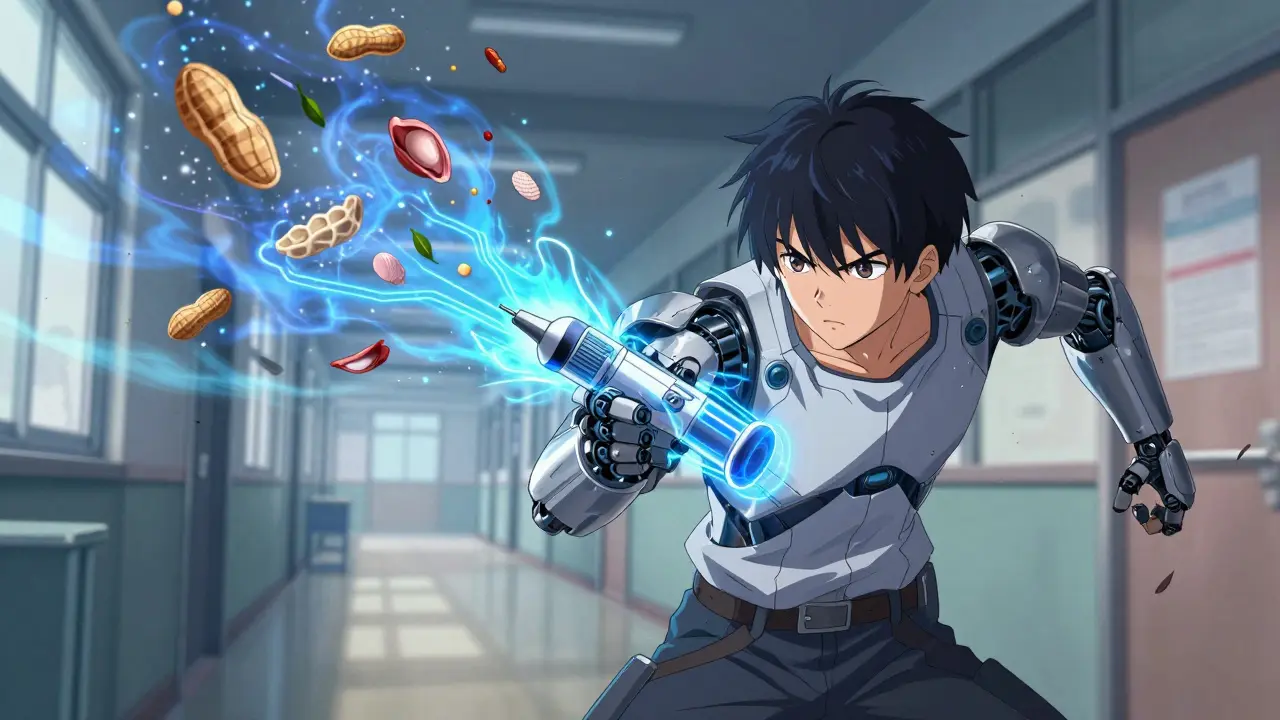
Epinephrine is the only medication that can stop a life-threatening allergic reaction. Nothing else comes close. Antihistamines like Benadryl? They help with itching or hives-but they won’t open a swollen airway or raise a dropping blood pressure. Epinephrine does both. It’s why every major health organization, from the American Academy of Pediatrics to Food Allergy Research & Education (FARE), says it’s the first and only drug for anaphylaxis.
There are three standard doses based on weight:
- 0.10 mg for kids 16.5-28.7 lbs
- 0.15 mg for kids 28.7-55.1 lbs
- 0.30 mg for anyone over 55.1 lbs
These numbers aren’t suggestions. They’re medical standards. If your child weighs 40 pounds, you need the 0.15 mg auto-injector. Using the wrong dose can be dangerous. Too little won’t work. Too much can cause heart problems. Always check the label before using. And never assume a spare pen from last year is still good-epinephrine expires. Replace it before the date on the side.
Now, there’s a new option: Neffy. It’s an intranasal spray approved by the FDA in 2023. It works fast, no needle needed. But it’s not for everyone. It’s only approved for people 12 and older. And while it’s a great backup, most allergists still recommend keeping injectable epinephrine as the primary tool. Have both? Great. But never skip the injectable unless your doctor says so.
When to Use Epinephrine-No Exceptions
You don’t wait for symptoms to get worse. You don’t wait to see if it’s "just a rash." If you know the allergen was ingested or contacted, and any of these signs show up, give epinephrine immediately:
- Hives + vomiting
- Swelling of the tongue or throat
- Wheezing or trouble breathing
- Dizziness, fainting, or pale skin
- For toddlers under 3: sudden lethargy, persistent cough, or unexplained crying
The key is involvement of two body systems. Skin + respiratory? Epinephrine. Skin + gastrointestinal? Epinephrine. Even if it’s just one symptom-but you know the person has had a severe reaction before-give it anyway. Asthma makes reactions worse. If someone has both allergies and asthma, their risk of a fatal reaction goes up by 300%. Don’t wait.
There’s a dangerous myth: "I’ll give Benadryl first and see what happens." That’s wrong. A 2021 study found that in schools, giving antihistamines before epinephrine delayed the right treatment by an average of 22 minutes. That’s enough time for a reaction to become deadly. Dr. Matthew Greenhawt from Children’s Hospital Colorado says 78% of fatal anaphylaxis cases happened because epinephrine wasn’t given in time. You don’t get a second chance. Give epinephrine first. Always.

What About Antihistamines and Inhalers?
Antihistamines like diphenhydramine (Benadryl) have a role-but only as a second step. Use them only if:
- There’s a mild reaction with just hives or itching
- Epinephrine has already been given for a severe reaction
Never use them instead of epinephrine. They don’t stop airway swelling. They don’t fix low blood pressure. They’re comfort meds, not lifesavers. The Texas Department of State Health Services and the ASCIA Guidelines both say: antihistamines should never delay epinephrine. Ever.
For people with asthma, an albuterol inhaler is often included. Use it if wheezing starts after the reaction. But again-epinephrine comes first. If breathing gets worse after epinephrine, then use the inhaler. Don’t skip the shot to reach for the inhaler.
What Happens After You Give Epinephrine
Calling 911 isn’t optional. Even if the person seems better after the shot, you still need to go to the hospital. About 20% of people have a second wave of symptoms hours later. That’s called a biphasic reaction. It can hit even if the first reaction seemed mild.
Stay at the ER for at least 4 to 6 hours. Doctors will monitor your heart, blood pressure, and breathing. They might give you steroids or more epinephrine. This isn’t overkill-it’s standard care. If you leave too soon, you could collapse at home.
Also, keep track of how much time passed between the first symptoms and the epinephrine shot. Studies show giving epinephrine within 5 minutes cuts death risk by 94%. That’s why timing matters. Write it down if you can. It helps the ER team understand what happened.
How to Keep Your Plan Ready
An action plan only works if it’s accessible. Keep your epinephrine auto-injector with you-always. Not in the car. Not in the backpack at school. In your pocket, purse, or a waist pack. Cold weather? Keep it close to your body. Heat and light break down the medicine. Don’t leave it in a hot car or a sunny window.
Check expiration dates every month. Set a phone reminder for 2 months before it expires. Replace it. Don’t wait. FARE’s 2023 survey found 32% of households had expired epinephrine. That’s like carrying a flashlight with dead batteries.
Share your plan. Give copies to schools, daycare, grandparents, coaches, and friends who watch your kids. Make sure they know where the pen is and how to use it. Many teachers and caregivers can’t identify anaphylaxis without a visual guide. FARE’s plan includes photos of symptoms. Use that. Print it. Laminate it. Put it on the fridge. Keep one in your wallet.

Common Mistakes and How to Avoid Them
- Mistake: Thinking antihistamines prevent reactions. Fix: They don’t. Only epinephrine stops anaphylaxis.
- Mistake: Waiting to see if symptoms get worse. Fix: Give epinephrine at the first sign of trouble if there’s known exposure.
- Mistake: Not replacing expired pens. Fix: Set a calendar alert every 6 months.
- Mistake: Assuming one dose is enough. Fix: If symptoms return or worsen after 5-10 minutes, give a second dose. No penalty for using two. It’s safer than waiting.
- Mistake: Not training others. Fix: Practice with a trainer pen. Show your child’s teacher how to hold it, where to inject, and how to push the button.
One parent on Reddit said it best: "I used to think I’d know when it was bad enough. I didn’t. I’m glad I had the plan. It told me what to do before my brain could panic."
Digital Plans and the Future
More people are using apps now. FARE’s mobile app lets you store your plan, set refill reminders, and even share emergency contacts with one tap. As of September 2024, over 142,000 people are using it. Some schools are starting to accept digital copies. But don’t rely on your phone alone. Always carry a printed copy. Batteries die. Phones break. Paper doesn’t.
Looking ahead, AI tools are being tested to recognize anaphylaxis from video. Stanford’s 2023 pilot could help schools and emergency responders spot symptoms faster. But for now, your best tool is still the plan your doctor gave you-clear, simple, and ready to use.
Final Reminder
There’s no such thing as being too careful. If you’re unsure, give epinephrine. It’s safe. It’s effective. And it saves lives. Your plan isn’t just for you. It’s for the people who love you and need to know what to do when you can’t speak. Keep it updated. Keep it close. And never, ever wait.
Can I use an antihistamine instead of epinephrine for a mild allergy reaction?
Only if the reaction is truly mild-like a few hives with no other symptoms. Even then, you should still monitor closely. If any new symptoms appear-swelling, trouble breathing, vomiting-give epinephrine immediately. Antihistamines don’t stop anaphylaxis. They only help with itching or redness. Never use them as a substitute.
How do I know which epinephrine dose to use for my child?
Dosing is based on weight, not age. Use 0.10 mg for kids 16.5-28.7 lbs, 0.15 mg for 28.7-55.1 lbs, and 0.30 mg for anyone over 55.1 lbs. Check the label on your auto-injector. If your child’s weight changes significantly, talk to your allergist about switching doses. Never guess. Using the wrong dose can be dangerous.
What if I’m not sure if it’s a severe reaction?
If there’s known exposure to an allergen and any symptom appears-especially in someone with a history of severe reactions-give epinephrine. The risk of not acting is far greater than the risk of using it unnecessarily. Epinephrine is safe for most people. It’s better to use it and have it be a false alarm than to wait and regret it.
Do I need to carry two epinephrine pens?
Yes. About 20% of reactions require a second dose. If symptoms return or get worse after 5-10 minutes, give another shot. Many schools and emergency responders recommend carrying two at all times. Some insurance plans cover two pens. Check with your provider. Never rely on just one.
Can I use an expired epinephrine pen in an emergency?
If it’s the only option and someone is having a severe reaction, use it. An expired pen may be less effective, but it’s better than nothing. However, don’t rely on it. Replace pens before they expire. Set a reminder. Keep a current one with you at all times. Expired pens are not a backup plan-they’re a gamble.
Should I tell my child’s school about their allergy plan?
Absolutely. In 49 U.S. states, schools are required to have individualized health plans for students with allergies. Give them a printed copy. Meet with the nurse and teachers. Make sure they know where the epinephrine is stored and how to use it. Schools with clear plans reduce reaction response time from over 14 minutes to under 5 minutes.



11 Comments
Angela Goree
I don't care what the journal says. If you're not carrying two epinephrine pens, you're gambling with your kid's life. I've seen it happen. One dose isn't enough. Schools don't train staff right. Parents don't replace expired pens. And then they wonder why their child ended up in the ICU. This isn't theory-it's survival. Replace them. Now. No excuses.
Shanahan Crowell
I used to think Benadryl was enough-until my daughter broke out in hives after eating a cookie and started wheezing 90 seconds later. I gave her the antihistamine first. I panicked. I waited. By the time I grabbed the EpiPen, her lips were purple. She’s fine now-thanks to the ER and a second EpiPen. But I’ll never make that mistake again. Epinephrine first. Always. No matter how "mild" it looks.
Kerry Howarth
Epinephrine is the only thing that reverses anaphylaxis. Antihistamines are for itching. Inhalers are for asthma. Neither replaces the shot. Follow the plan. Carry two. Train everyone. Replace expired pens. Simple. No drama. Just life-saving steps.
Tiffany Channell
Let’s be honest. The whole "epinephrine first" doctrine is a pharmaceutical industry scam. Benadryl has been used safely for decades. Why are we suddenly told it’s dangerous to use it first? The FDA approved Neffy because they want to sell more devices. And now they’re scaring parents into buying two pens instead of one. The real risk? Overmedicating healthy kids. You’re being manipulated.
Angela Fisher
I’ve been researching this for 3 years. Here’s what they don’t tell you: epinephrine auto-injectors are manufactured by three companies that also own the patent on the FDA’s anaphylaxis guidelines. The 68% stat? From a study funded by FARE, which gets 80% of its funding from pharmaceutical sponsors. The 42% hospitalization drop? They only tracked kids whose parents were already hyper-vigilant. And Neffy? It was approved after a 3-month review-normally it takes 18 months. Something’s off. I’m not saying don’t use epinephrine. I’m saying: question why you’re being told to panic. Who benefits? And why is the government pushing this so hard? My kid’s school just mandated two pens. I asked why. They gave me a brochure. No answers. That’s not safety. That’s control.
Philip Leth
Man, I grew up in India where allergies were just called "seasonal stuff." We never had EpiPens. My cousin once got stung by a bee and his whole face swelled up. My aunt rubbed him with neem oil and gave him ginger tea. He lived. But here? You’re told to inject adrenaline like it’s coffee. I get it-Western medicine saves lives. But sometimes I wonder if we’re losing the art of calm observation. Not saying skip the pen. Just… breathe before you jab.
Joy F
There’s a metaphysical layer here that no one dares touch. Epinephrine isn’t just a drug-it’s a ritual. A modern-day exorcism against the invisible demons of allergens. We inject it because we fear the body’s betrayal. We carry two because we don’t trust time. We laminate the plan because we don’t trust memory. We set phone reminders because we don’t trust ourselves. This isn’t medicine. It’s a collective anxiety embodied in a plastic device. And the real tragedy? We’ve outsourced our intuition to a 0.30 mg dose. What happens when the pen fails? Who do we become then?
Ian Detrick
I think we’re missing the point. The plan isn’t about the drug. It’s about trust. Trust in your instincts. Trust in your knowledge. Trust in the people around you. Epinephrine is just the tool. The real power is in the clarity. When you know exactly what to do, panic loses its grip. That’s why the 68% stat matters-not because of the shot, but because the plan rewired their brains. It’s not about fear. It’s about preparedness. And preparedness is peace.
Neela Sharma
In India, we say: "The hand that holds the medicine must be steady." No EpiPen here, but we have our own wisdom. When my niece broke out in hives after mango, we didn’t rush. We sat her down. We cooled her skin. We watched. We didn’t panic. We trusted our eyes, not the label. Now I live in the US. I carry two pens. I follow the plan. But I still remember: medicine is not magic. It’s a tool. And the most powerful medicine? A calm mind. Trust your senses. Know your child. The pen is there for when your senses scream.
Brittany Wallace
I used to think I was overreacting until my son went into anaphylaxis at a birthday party. I gave him the EpiPen. He calmed right down. But then I realized-I didn’t know how to use it. I’d never practiced. I’d just assumed I’d figure it out. That’s when I bought a trainer pen. I made my husband, my mom, and his teacher practice with me. We did it in the kitchen. We laughed. We cried. Now I sleep better. Because I know: if it happens again, someone will know what to do. And that’s the real gift of this plan-not the drug. It’s the people who know how to use it.
Michael Burgess
I’m a dad of a kid with peanut allergies. I carry two pens in my pocket. I have one in his backpack. One in the car. One at school. I set a reminder every 6 months. I showed his teacher how to use it with a trainer pen. We even did a drill during parent-teacher night. Last month, he touched a cookie that had trace peanuts. He started scratching. I didn’t wait. I gave the shot. He was fine. No hospital. No drama. Just a calm, practiced response. I didn’t save his life because I’m brave. I saved it because I was prepared. And you can be too. It’s not hard. Just do it.