
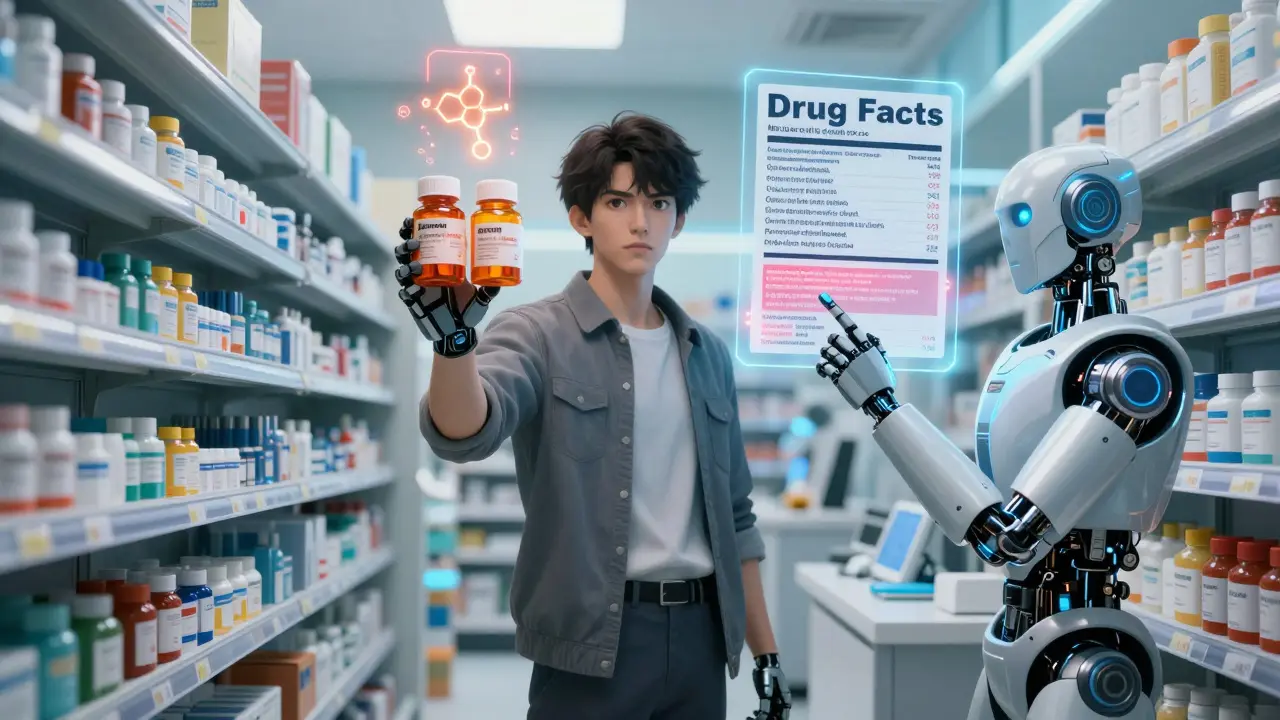
Every year, millions of Americans reach for over-the-counter (OTC) medications without a second thought. A headache? Grab some Tylenol. A stuffy nose? Pick up a cold tablet. But here’s the truth: OTC medications aren’t harmless. They’re powerful drugs, and using them wrong can land you in the emergency room.
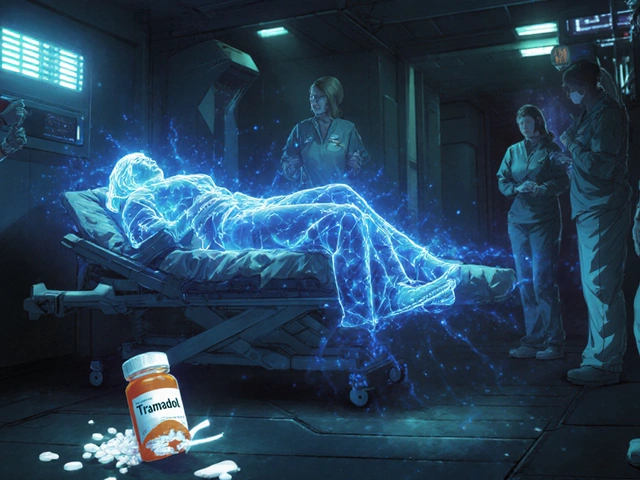
In 2022, acetaminophen overdoses alone sent about 56,000 people to the ER. Why? Because people didn’t realize they were doubling up. Maybe they took a cold medicine with acetaminophen and then added a pain reliever. Or maybe they used a kitchen spoon to measure a liquid dose. These aren’t rare mistakes - they’re common.
Start with the Drug Facts Label
Every OTC medicine sold in the U.S. must have a Drug Facts label. It’s not optional. It’s the law. And it’s your best friend. This label isn’t just there to look official - it’s designed to keep you safe.
Here’s what to look for, in order:
- Active ingredients - This is the most important part. What’s actually working in the pill or liquid? Don’t just scan for brand names like "Advil" or "NyQuil." Look for the chemical names: ibuprofen, pseudoephedrine, diphenhydramine. If you’re taking more than one OTC product, compare these lists. You might be accidentally doubling up on the same ingredient.
- Purpose - This tells you what the medicine is meant to treat. "Pain reliever," "decongestant," "antihistamine." If your symptom isn’t listed, don’t take it. Multi-symptom cold pills are tempting, but if you only have a runny nose, you don’t need something that also knocks you out or raises your blood pressure.
- Uses - This expands on the purpose. It lists specific conditions. For example, "for temporary relief of occasional heartburn" or "for minor aches and pains." If your issue isn’t listed, this isn’t the right product.
- Warnings - This section is full of red flags. It tells you who shouldn’t take it (pregnant women, people with high blood pressure), what to avoid (alcohol, other drugs), and when to stop and call a doctor. Read this like you’re reading a warning on a power tool.
- Directions - How much? How often? For how long? Never guess. Use the measuring tool that comes with the medicine. A tablespoon is not a teaspoon. And never use a kitchen spoon - they vary by up to 200% in volume.
- Inactive ingredients - These are fillers, flavors, dyes. But if you’re allergic to sulfites, gluten, or certain food dyes, this matters. If you’re unsure, ask the pharmacist.
Reading the whole label takes 2 to 3 minutes. That’s less time than it takes to scroll through your phone. But it could save you from liver damage, a stroke, or an allergic reaction.
Know Your Ingredients - Especially Acetaminophen
Acetaminophen is in more than 600 OTC products. It’s in Tylenol. It’s in Excedrin. It’s in NyQuil. It’s in Theraflu. It’s in some cough syrups. And if you take more than 4,000 milligrams in a day - even if it’s spread out over several products - you risk serious liver damage.
There’s no warning sign. No pain. No nausea. Just silent, slow damage. By the time you feel sick, it’s often too late.
Here’s a simple rule: If you’re taking more than one OTC product, check every label for acetaminophen. If you see it listed, stop. Don’t take anything else with it. Use plain acetaminophen only if you need pain relief. Skip the combo pills unless you have multiple symptoms and you’re sure you’re not overdosing.
And don’t assume "natural" or "herbal" means safe. Some herbal cold remedies contain hidden acetaminophen or other drugs. Always read the label - even if it says "all-natural."
Don’t Guess Doses - Especially for Kids
Children aren’t just small adults. Their bodies process medicine differently. A dose that’s safe for a 150-pound adult could be deadly for a 40-pound child.
The FDA says: Never estimate a child’s dose by weight. Always use the dosing chart on the label. If your child’s weight isn’t listed, ask the pharmacist. They’ll tell you the right amount.
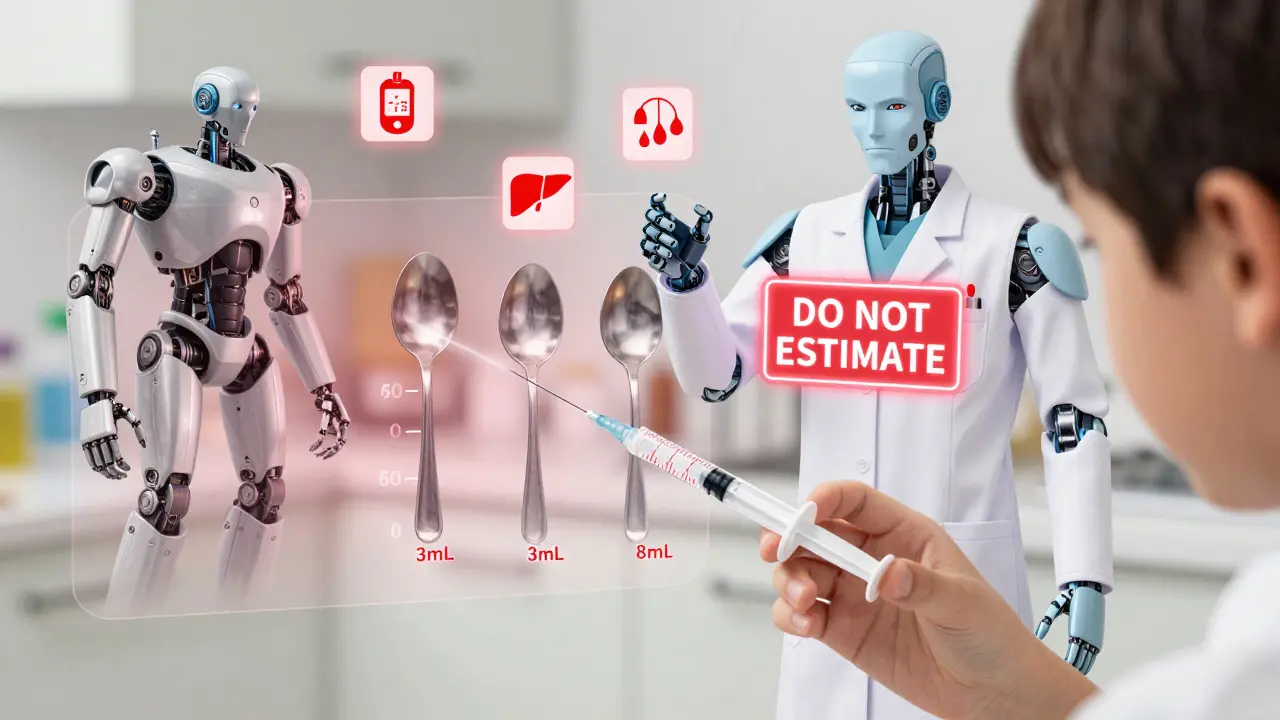
And never use a kitchen spoon. Ever. Use the syringe, dropper, or cup that came with the medicine. Those tools are calibrated. A teaspoon from your kitchen might hold 3 milliliters - or it might hold 8. That’s a 167% difference. That’s not a mistake. That’s a risk.
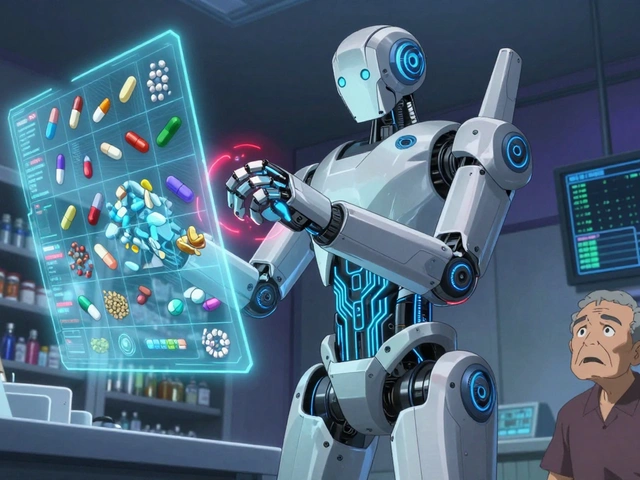
Talk to the Pharmacist - Even If You Don’t Ask
Pharmacists are the unsung heroes of OTC safety. They see hundreds of people every week who walk in, grab a box, and walk out. And they know what most people don’t: that 34% of consumers misuse OTC meds by taking too much, too often, or mixing them dangerously.
Pharmacists can:
- Check if your OTC choice interacts with your prescription drugs
- Warn you if a cold medicine will raise your blood pressure
- Help you pick a product that treats only your symptoms - not every symptom ever
- Explain why a "generic" version is just as good (and cheaper)
- Spot if you’ve been buying the same product for weeks - a sign you might need to see a doctor
You don’t need a reason to ask. You don’t need to be embarrassed. You don’t need to say, "I think I messed up." Just say: "I’m thinking of taking this for my headache. Is this okay with my other meds?"
Most pharmacies offer this advice for free. It’s part of their job. And studies show pharmacist consultations reduce medication errors by 67%.
Watch Out for Hidden Risks
Some people think OTC means "safe for everyone." That’s not true. Certain health conditions make common OTC meds dangerous:
- Diabetes: Decongestants like pseudoephedrine can raise blood sugar. Antihistamines can mask low blood sugar symptoms.
- High blood pressure: Decongestants can spike your pressure. Some antacids contain sodium, which can also raise it.
- Heart disease: NSAIDs like ibuprofen can increase heart attack risk. Some cough syrups contain alcohol.
- Enlarged prostate: Antihistamines and decongestants can make it harder to urinate - sometimes dangerously so.
- Pregnancy or breastfeeding: Many OTC drugs cross into breast milk or affect fetal development. Even aspirin and ibuprofen aren’t always safe.
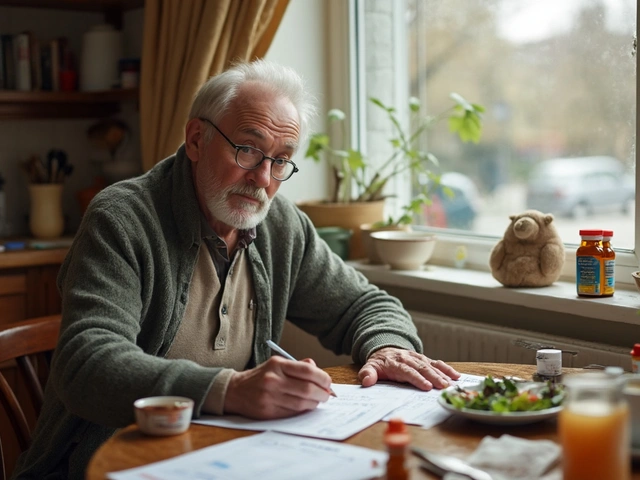
- Aging: People over 65 are more likely to have side effects. Their bodies don’t clear drugs as fast. And they’re more likely to be taking multiple prescriptions. One OTC drug can throw off the whole balance.
If you have any of these conditions - or if you’re unsure - talk to a pharmacist before you buy. Don’t wait until you feel sick.
Use One Pharmacy
It sounds simple, but it’s powerful. If you get all your prescriptions and OTC meds from the same pharmacy, the pharmacist builds a full picture of what you’re taking. They can flag interactions you didn’t even know about.
Imagine this: You buy a cold medicine at Store A. You pick up a sleep aid at Store B. Neither pharmacist knows what the other sold you. But if you go to the same place every time, they see: "Patient took ibuprofen yesterday. Now they’re asking for diphenhydramine. That’s a sedative. They’re on blood pressure meds. Let me warn them."
It’s not magic. It’s just good record-keeping. And it’s one of the easiest ways to avoid a bad reaction.

When to Skip OTC and See a Doctor
OTC meds are great for short-term, mild issues. But they’re not a substitute for medical care.
See a doctor if:
- Your symptoms last more than 7-10 days
- You’re getting worse instead of better
- You have a fever over 102°F that doesn’t go down
- You’re having chest pain, trouble breathing, or confusion
- You’ve been using the same OTC medicine for weeks
- You’re pregnant, breastfeeding, or caring for a child under 2
Just because something is sold over the counter doesn’t mean it’s okay to ignore the body’s warning signs. Sometimes, what feels like a cold is pneumonia. What feels like heartburn could be a heart issue.
What’s New in 2026?
The FDA is updating the rules for OTC drugs under the CARES Act. By 2025, the system that’s been in place since the 1970s will be modernized. That means faster updates to safety labels, clearer warnings, and more transparency.
In 2023, the FDA approved the first OTC nasal steroid (fluticasone furoate) for allergies. That’s a big deal - it means more effective treatments are becoming available without a prescription. But it also means more choices - and more chances for confusion.
Stay informed. Read labels. Ask questions. And remember: just because a medicine is easy to buy doesn’t mean it’s safe to use carelessly.
Can I take OTC medicine with my prescription drugs?
Sometimes, but not always. Many OTC drugs interact with prescriptions. For example, ibuprofen can increase bleeding risk if you’re on blood thinners. Antihistamines can make sedatives like sleeping pills or anxiety meds much stronger. Always tell your pharmacist or doctor what you’re taking - even if you think it’s "just an OTC."
Is it safe to take OTC meds while pregnant?
Not all are. Acetaminophen is generally considered safe for occasional use, but NSAIDs like ibuprofen and aspirin can harm fetal development, especially in the third trimester. Decongestants may reduce blood flow to the placenta. Always check with a doctor or pharmacist before taking anything - even something as simple as a cold tablet.
Why can’t I just use a kitchen spoon to measure liquid medicine?
Kitchen spoons vary wildly in size. A tablespoon might hold 10 milliliters in one spoon and 18 in another. The FDA found differences of up to 200%. That means you could be giving your child 2x the intended dose - or only half. Always use the measuring tool that comes with the medicine. It’s accurate. A spoon isn’t.
How do I know if I’m taking too much acetaminophen?
Check every product you take. Acetaminophen is in pain relievers, cold medicines, sleep aids, and even some prescription drugs. The maximum daily dose is 4,000 milligrams. But if you’re taking two products that both contain it - even at low doses - you can easily hit that limit. If you’re unsure, stop taking extra products and stick to plain acetaminophen only. If you’re over 65, have liver disease, or drink alcohol regularly, talk to your doctor first.
Are generic OTC drugs as good as brand names?
Yes. Generic OTC drugs contain the same active ingredients, in the same strength, as brand-name versions. The only differences are in inactive ingredients (like color, flavor, or filler) and price. For example, store-brand ibuprofen is chemically identical to Advil. Save money - and get the same results.
Can OTC meds cause long-term damage?
Yes. Long-term use of NSAIDs like ibuprofen or naproxen can cause stomach ulcers, kidney damage, or high blood pressure. Regular use of antihistamines can lead to cognitive decline in older adults. And long-term acetaminophen use - even at recommended doses - can harm the liver, especially if combined with alcohol. OTC doesn’t mean harmless. Use them only as needed.
Final Thought: Think Before You Take
OTC medications are powerful tools. But like any tool, they’re only safe when used correctly. You wouldn’t use a chainsaw without reading the manual. Don’t take medicine without reading the label.
Check the active ingredients. Know your health conditions. Talk to the pharmacist. Use the right measuring tool. And if something doesn’t feel right - stop. Call your doctor.
Your body isn’t a lab. It’s your life. Treat OTC meds like the medicine they are - not like candy.
11 Comments
Roland Silber
I've been a pharmacist for 22 years, and I can't tell you how many people come in asking why their liver enzymes are through the roof. It's always the same story: "I took NyQuil for the cold, then took Tylenol for the fever, and then took Advil for the headache." You're not being careful-you're playing Russian roulette with your organs.
Read the Drug Facts label like it's a survival manual. Active ingredients don't lie. If you see acetaminophen on two different boxes, you're already over the limit. It's not rocket science. It's just basic math.
And don't get me started on kitchen spoons. I had a mom bring in her 3-year-old last week because she "thought a tablespoon was a tablespoon." Turned out it was 18 mL. The recommended dose was 5 mL. That's 3.6x the dose. Kid was lucky. We caught it before the liver took a hit.
Pharmacists aren't here to judge. We're here to stop you from becoming a statistic. Ask us. Seriously. We've seen it all. We don't care if you're embarrassed. We care if you're alive.
Patrick Jackson
Man. This post hit me right in the soul. 😭
I used to think OTC meant "free to use however I want." Like candy. Like snacks. Like I could just grab three different cold meds and mix 'em like a cocktail. Then my uncle went to the ER after taking NyQuil + Excedrin + Motrin for three days straight. He didn't even know acetaminophen was in two of them.
Now I read every label like it's a love letter from my future self. "What's the active ingredient?" "Why am I taking this?" "Am I doubling up?"
It's not just about not dying. It's about not being the guy who ruins his own life because he didn't read five lines. We can do better. We owe it to ourselves.
Also-pharmacists are angels in white coats. Treat them like heroes. They're the only ones who see your whole medicine history. And they never judge. Ever.
Bridget Verwey
Oh sweet mercy, another post about reading labels. Can we just make the FDA slap a giant neon sign on every OTC box that says: "YOU ARE NOT A CHEMIST. STOP GUESSING."
I had a cousin who took 12 Advil a day because "it's just ibuprofen." She thought if 4 helped, 12 would help more. Like a video game. "More power-ups = better outcome."
She now has a stomach ulcer, kidney damage, and a new habit of crying in the pharmacy aisle asking if "ibuprofen is gluten-free."
People. Read. The. Label.
And if you're still using a kitchen spoon? Please. Just. Stop.
There's a measuring cup in that box. Use it. Or don't be surprised when your kid ends up in a hospital with a liver transplant on the horizon.
Andrew Poulin
Stop overcomplicating this. Read the label. Don't mix. Use the tool. Ask the pharmacist.
That's it.
No one needs a 1000-word essay on acetaminophen. Just don't be dumb.
And if you're pregnant? Don't take anything unless you're told to.
Simple. Done.
Stop pretending OTC is harmless. It's not. It's medicine. Treat it like it.
And yes, generics are fine. Stop wasting money.
That's all.
Weston Potgieter
LOL. You people act like this is groundbreaking info. Everyone knows this. The real issue is that pharmacies don't enforce it.
I went in last week to buy Benadryl. The cashier handed me a box. Didn't ask if I was on anything. Didn't check my age. Didn't even glance at my face.
And you want me to believe the pharmacist is some silent guardian? Nah. They're cashiers with a title.
Also, "ask your pharmacist" is the most overused corporate buzzword since "synergy."
Most of 'em don't even know what's in the products they sell. They're trained to upsell, not educate.
So yeah. Read the label. But don't expect anyone else to care.
And no, I don't trust "natural" labels either. I've seen "herbal" supplements with hidden sildenafil. Real shit.
William Minks
As someone who moved here from Nigeria, I didn’t realize how much Americans just… grab stuff. Back home, you’d never take something without asking a pharmacist or elder. We treat medicine like sacred stuff.
Here? You walk in, grab a box, pay, and leave. No questions. No context. Just vibes.
I started asking the pharmacist every time. They think I’m weird. But I’m alive. And my liver is still working.
Also-generic drugs? Yeah, they’re the same. I buy store-brand ibuprofen. Saves me $10 a bottle. Same pill. Same results.
Don’t let marketing fool you. The label doesn’t lie. The brand name does.
Susan Purney Mark
My grandma used to say, "If you don’t know what’s in it, don’t put it in you."
She was right.
I used to take melatonin + Benadryl + Tylenol PM because "I just need to sleep." Then I found out I was hitting 3,800 mg of acetaminophen daily. I didn’t even realize.
Now I keep a little notebook. Every OTC I take. Date. Dose. Why.
It’s weird. But it saved me.
Also-pharmacists? They’re amazing. I asked one last week if I could take my cold med with my thyroid pill. She pulled up my history, checked interactions, and said, "Actually, skip the decongestant. It’ll spike your heart rate."
I didn’t even know I had a heart rate. Now I do. Thanks, pharmacist.
❤️
Amina Aminkhuslen
Ugh. Another one of these "read the label" sermons. Newsflash: Most people don’t read. They’re tired. They’re stressed. They’re parents. They’re working two jobs.
Why is the burden on the consumer? Why isn’t the FDA forcing clearer labeling? Why are we still using tiny fonts and confusing terms like "decongestant" and "antihistamine"?
And why is acetaminophen still hidden in 600 products? That’s not an accident. That’s a business model.
Stop blaming people. Fix the system.
Also-"use the measuring cup"? You think people have those? Half the time, the cup’s missing. Or the cap’s broken. Or the spoon’s bent.
It’s not laziness. It’s design failure.
Just saying.
amber carrillo
Thank you for this thoughtful and comprehensive overview. The clarity with which you presented the information is both commendable and deeply necessary.
It is imperative that individuals recognize the pharmacological potency of over-the-counter agents, regardless of their accessibility.
Furthermore, the consistent emphasis on professional consultation, accurate measurement, and ingredient transparency underscores the gravity of responsible self-medication.
I have shared this with my elderly parents. They are now more vigilant. The change is real.
With sincere appreciation,
Amber
Tim Hnatko
Just wanted to say I read this whole thing. Took me 4 minutes. Didn’t skip a word.
My mom took a cold med with acetaminophen and then took her regular painkiller. She didn’t know. She’s 71. She’s fine now. But she didn’t have to be.
I printed this out. Put it on the fridge.
Next time someone asks me for advice? I hand them this.
Thanks.
-Tim
Aaron Pace
Bro. I took 4 Advil and a NyQuil last week. Thought I was fine. Woke up at 3am with my liver screaming.
Went to the ER. They said I was 2 hours from liver failure.
They gave me NAC. I’m alive.
Now I read every label.
And I don’t trust "natural" stuff anymore.
Also-pharmacists are literally angels.
🙏