
Why Diabetic Neuropathy Hurts - And What You Can Do About It
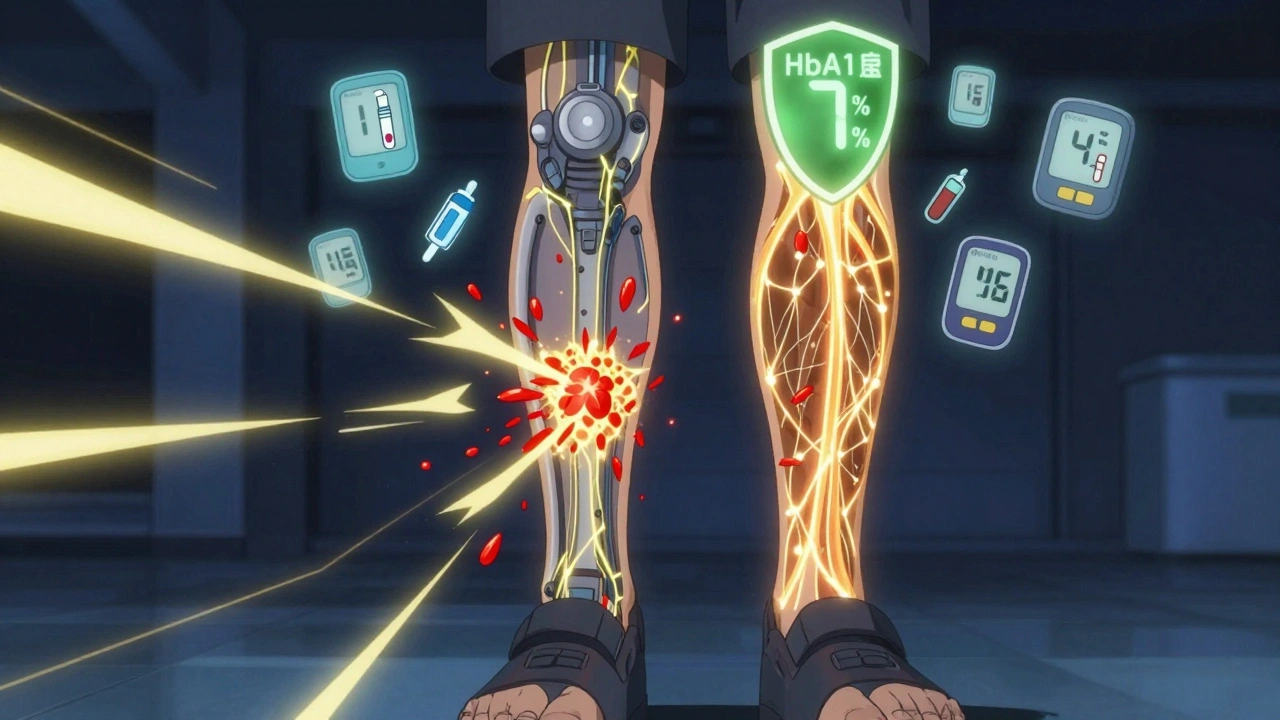
If you have diabetes and feel burning, tingling, or sharp pain in your feet or hands, you’re not alone. About 60-70% of people with diabetes develop nerve damage called diabetic neuropathy. For many, it’s not just numbness - it’s pain that keeps them awake at night, makes walking painful, or turns a light touch into agony. This isn’t just a side effect. It’s a direct result of high blood sugar slowly damaging the nerves over time.
The good news? You can slow it down. You can reduce the pain. And in some cases, you can even start to feel better - not just numb.
How High Blood Sugar Damages Your Nerves
Your nerves need steady fuel to work right. When blood sugar stays too high for too long, it messes with how nerves send signals. It also damages the tiny blood vessels that feed those nerves. Without proper blood flow, nerves starve. Over time, they start to misfire - sending pain signals when there’s no injury, or going silent when you need to feel something.
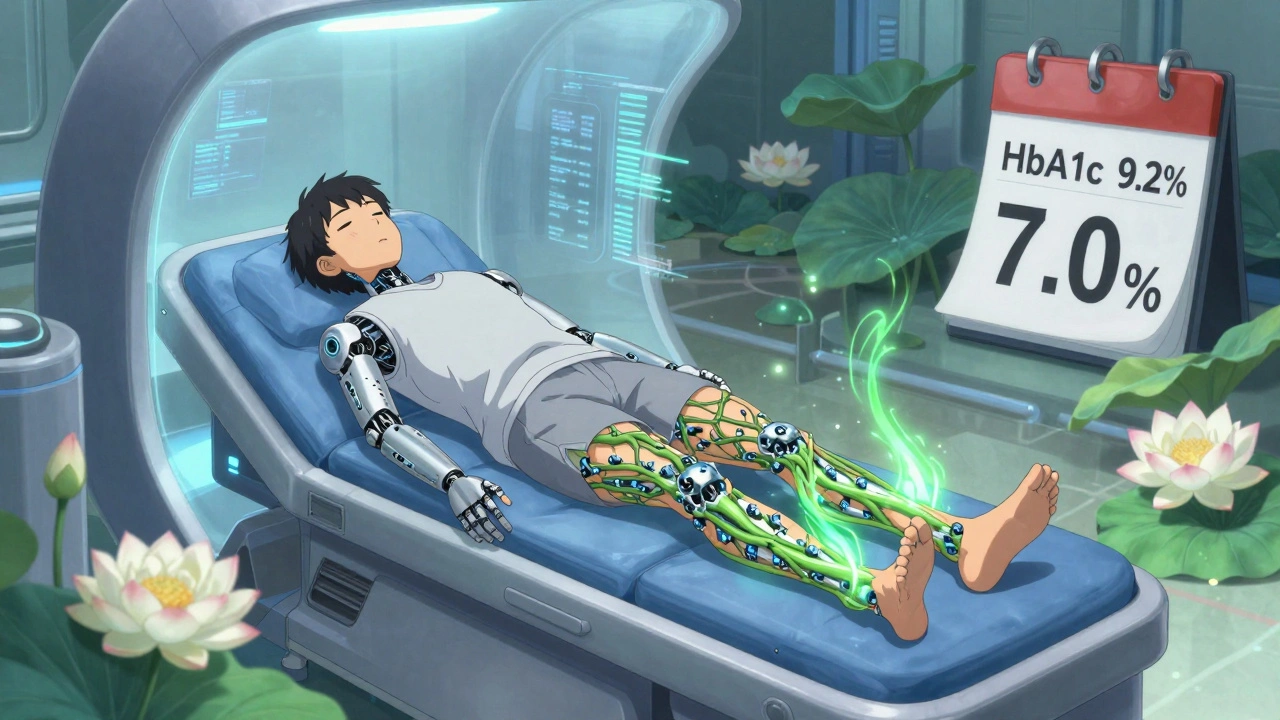
This damage usually starts in the feet and legs because those nerves are the longest. But it can move up to your hands, arms, and even affect digestion, bladder control, or heart rate. The longer you live with uncontrolled diabetes, the higher the risk. That’s why the most powerful tool you have isn’t a pill - it’s keeping your HbA1c below 7%.
The Diabetes Control and Complications Trial (DCCT) showed that tight blood sugar control cuts the risk of neuropathy by 60%. That’s not a small win. It’s the single most effective way to protect your nerves before damage becomes permanent.
First-Line Treatments That Actually Work
When pain becomes unbearable, you need relief - fast. But not all painkillers are created equal. Over-the-counter ibuprofen won’t help neuropathic pain and can hurt your kidneys, which are already at risk with diabetes.
The FDA has approved two medications specifically for diabetic nerve pain: duloxetine (Cymbalta) and pregabalin (Lyrica).
- Duloxetine works by boosting serotonin and norepinephrine, two brain chemicals that help block pain signals. In clinical trials, about 35% of people saw at least half their pain go away - compared to just 18% on placebo.
- Pregabalin calms overactive nerves. Around 30-40% of users reported 50% pain reduction. But it can cause dizziness, swelling, or weight gain.
Many doctors still start with amitriptyline, an old-school antidepressant. It’s cheaper and often more effective - about 58-63% of users get meaningful pain relief. But it can make you drowsy, dry your mouth, or cause heart rhythm issues in older adults. Use with caution.
Topical Treatments: Relief Without the Side Effects
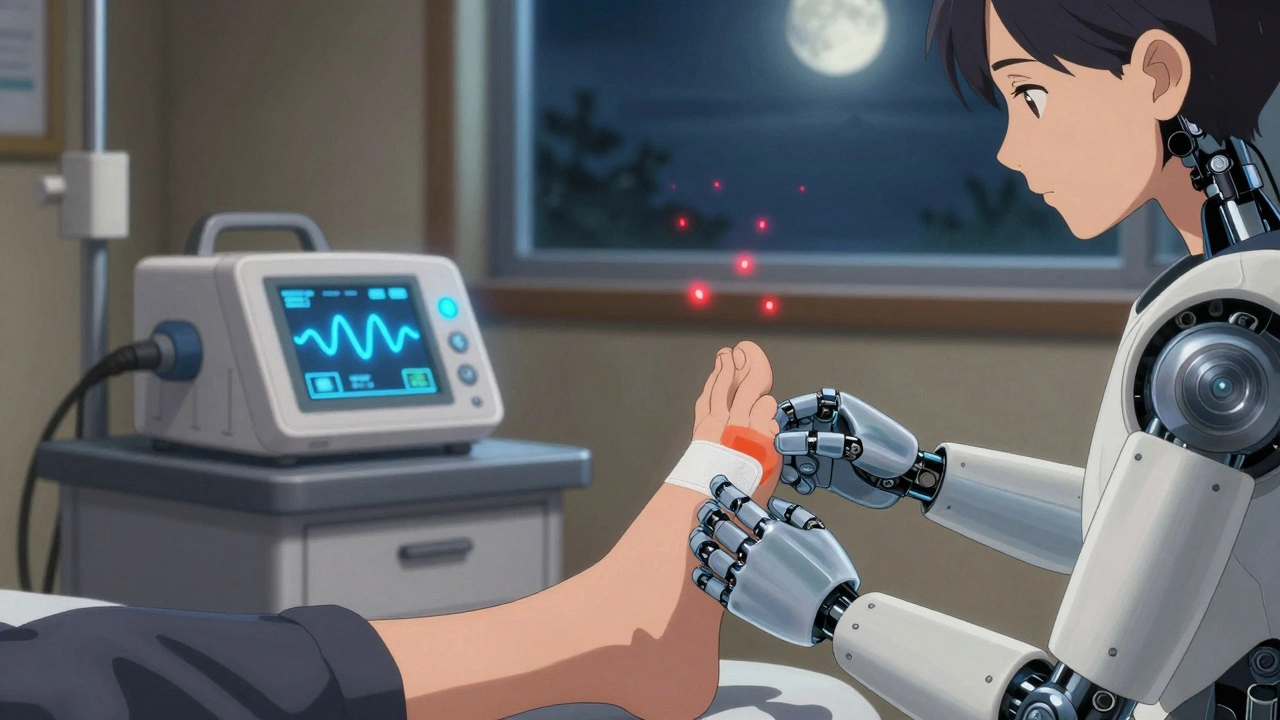
If you hate pills or can’t tolerate them, topical options are worth trying. They deliver pain relief right where it hurts - without flooding your whole body.
- Capsaicin 8% patch (Qutenza) is applied by a doctor in-office. It works by depleting a pain chemical in nerve endings. In studies, 40% of users got at least 30% pain relief. Side effects? A brief burning sensation during application - then quiet for months.
- Lidocaine 5% patches are available over the counter. Stick them on painful spots for up to 12 hours a day. They’re safe, easy to use, and great for localized pain like a burning ball of the foot.
Many patients say these are the only things that let them wear shoes without pain. No drowsiness. No weight gain. Just targeted relief.
When Pills Don’t Work - Advanced Options
For about half of people with diabetic neuropathy, even the best medications don’t bring full relief. That’s when doctors turn to devices.
- TENS (Transcutaneous Electrical Nerve Stimulation) uses small electrodes on the skin to send gentle pulses. One study showed 83% of users improved pain scores - compared to only 38% with fake treatment.
- Peripheral Nerve Stimulation (PNS) involves a tiny device implanted near the affected nerve. It’s minimally invasive and can provide relief for years. Patients report being able to walk again, sleep through the night, and stop relying on opioids.
- Spinal Cord Stimulation is newer and more powerful. It doesn’t just mask pain - some patients report regaining sensation in numb toes. One expert called it “unexpected” and “transformative.”
These aren’t magic. They require a procedure and cost more. But for people who’ve tried everything else, they’re life-changing.
Lifestyle Changes That Heal Nerves
Medications treat symptoms. Lifestyle changes treat the cause.
Three things make the biggest difference:
- Keep your blood sugar steady. Target fasting levels between 80-130 mg/dL and under 180 mg/dL after meals. Use a glucose monitor. Adjust food, meds, or activity as needed.
- Move every day. Walking 30 minutes, swimming, or cycling improves blood flow to nerves. Even gentle yoga helps. Studies show people who exercise regularly report less pain and better balance.
- Eat to reduce inflammation. Cut out processed foods, sugary drinks, and white bread. Focus on vegetables, beans, whole grains, lean fish, and nuts. Omega-3s from salmon or flaxseed may help calm nerve inflammation.
One Cleveland Clinic survey found that 65% of patients felt best when they combined medication with lifestyle changes. And for those who got their HbA1c under 7% for a full year, symptoms like numbness and tingling actually faded - not just slowed down.
What Doesn’t Work - And What Can Hurt
Not all advice is helpful. Some common approaches can make things worse.
- NSAIDs (ibuprofen, naproxen) - They don’t touch nerve pain and raise your risk of kidney damage. Diabetics already have a 30-40% higher chance of kidney disease.
- Tramadol and other opioids - They work for some, but the CDC says 8-12% of long-term users become dependent. Side effects like nausea and constipation are common. Reserve these only if nothing else works.
- Ignoring foot care - Neuropathy means you can’t feel cuts, blisters, or sores. That’s how ulcers form. Check your feet daily. Wear shoes indoors. See a podiatrist every 6 months.
And don’t underestimate stress. Chronic pain raises cortisol, which raises blood sugar. That creates a loop: pain → stress → higher sugar → worse nerve damage. Try breathing exercises, meditation, or even talking to a counselor. Mental health is part of nerve health.
What’s Coming Next - Hope on the Horizon
Research is moving fast. Scientists are testing drugs that target specific pain channels in nerves - like Nav 1.7 blockers and N-type calcium inhibitors. These could be more precise, with fewer side effects.
One exciting area? Nerve regeneration. In early trials, some patients using new compounds showed signs of damaged nerves starting to repair themselves. It’s not mainstream yet, but experts believe that within 5-10 years, we may have treatments that don’t just manage pain - they reverse damage.
For now, the best strategy is simple: control your blood sugar, protect your nerves with smart treatments, and never stop moving.
Frequently Asked Questions
Can diabetic neuropathy be reversed?
In early stages, yes - if you get your blood sugar under control quickly. Many people see numbness and tingling fade within a year of hitting HbA1c targets. But if nerves are severely damaged or you’ve had symptoms for years, full reversal is unlikely. The goal shifts from reversal to stopping further damage and managing pain.
Why does my neuropathy get worse at night?
At night, your body is still, and there are fewer distractions. Pain signals that were masked by daily activity become more noticeable. Also, cortisol levels drop at night, which can make inflammation and nerve sensitivity worse. Keeping your feet warm, using a TENS unit before bed, or taking a warm bath can help.
Is it safe to take pregabalin with other diabetes meds?
Yes, but you need to watch for dizziness or swelling, especially if you’re also taking insulin or certain blood pressure drugs. Always tell your doctor what you’re taking - even over-the-counter supplements. Some combinations can increase fluid retention or lower blood pressure too much.
Can I use capsaicin cream instead of the patch?
Regular capsaicin cream (0.025-0.075%) is less effective than the 8% patch. It needs to be applied 3-4 times a day and can cause burning that lasts for weeks. The patch is stronger, lasts longer, and is applied only once every 3 months by a professional. For most people, the patch is worth the trip to the clinic.
How long does it take for nerve pain to improve with better blood sugar control?
Some people notice less burning or tingling in as little as 3-6 months. But full improvement often takes a year or more. The key is consistency. Even small drops in HbA1c - like from 8.5% to 7.5% - can make a difference. Don’t wait for perfect numbers. Start now.




12 Comments
Katherine Chan
I was terrified of my neuropathy until I started walking 30 mins a day and got my A1c down to 6.8
Now I can wear sneakers again without screaming
It’s not magic, just consistency
And yeah, the lidocaine patches are a game changer
Philippa Barraclough
The data presented here is largely aligned with current clinical guidelines as outlined by the American Diabetes Association in their 2023 Standards of Medical Care in Diabetes, particularly with regard to the efficacy of duloxetine and pregabalin as first-line pharmacologic interventions for diabetic peripheral neuropathic pain. However, the omission of any discussion regarding the cost-effectiveness of these agents in primary care settings, particularly in publicly funded healthcare systems, represents a notable gap in the practical applicability of the recommendations provided.
Tim Tinh
Bro i was on lyrica for 6 months and my legs felt like jelly
Then i switched to amitriptyline and now i can sleep without a fan on my feet
Also the capsaicin patch? Worth every penny
Even if the doc makes you sit there for an hour while it burns like hell
Worth it
Olivia Portier
I’m so glad this post exists because I used to think I was just being dramatic about my feet hurting
Turns out it’s real, it’s common, and there’s actual hope
I started doing yoga three times a week and cut out all the white stuff
My A1c dropped 1.5 points in 4 months and the tingling? Gone half the time
Don’t give up. You’re not alone
Tiffany Sowby
I can’t believe people still believe this stuff. Big Pharma is just selling you pills so you don’t question why your insulin is $300 a vial. TENS machines? That’s just placebo. The real solution is to stop eating carbs. Period.
Katherine Rodgers
So let me get this straight... you're telling me the solution to nerve damage from sugar is... more sugar control? Groundbreaking. I'm shocked. Next you'll tell me smoking causes lung cancer.
Lauren Dare
The clinical trial percentages cited here are statistically significant but clinically misleading. 35% achieving 50% pain reduction is not 'effective'-it's marginal. And the omission of effect size confidence intervals is a red flag for any practitioner reviewing this material. The data lacks nuance.
Lola Bchoudi
Peripheral neuropathy management requires a biopsychosocial approach. While pharmacologic interventions address symptomatology, the neuroinflammatory cascade driven by chronic hyperglycemia necessitates concurrent modulation of oxidative stress markers and mitochondrial biogenesis via lifestyle intervention. The cited HbA1c target of <7% remains evidence-based, but individualized glycemic targets based on age, comorbidities, and hypoglycemia risk are now recommended by ADA 2024.
Morgan Tait
You know what they don't tell you? The government is using the diabetes epidemic to justify mandatory glucose monitors in every home. They want to track your sugar levels so they can ration your insulin. I saw a guy on YouTube with a chip in his foot. He said it vibrates when you eat bread. That's not science. That's control.
Darcie Streeter-Oxland
The assertion that capsaicin 8% patch provides sustained relief for three months is, in my estimation, an overstatement. The original Qutenza trial demonstrated a median duration of pain relief of 12 weeks in only 40% of participants, with a significant proportion requiring retreatment prior to the 16-week mark. This nuance is absent from the presented narrative.
Sarah Gray
If you're still using amitriptyline as a first-line agent, you're practicing medicine from 1998. The guidelines have evolved. You're not helping. You're just prolonging suffering with anticholinergic side effects.
Katherine Chan
I know someone who tried the TENS unit and said it felt like a thousand tiny ants dancing on their skin
But after two weeks? They could finally walk to the mailbox without crying
And no, it didn't fix everything
But it gave them back a little piece of their life