
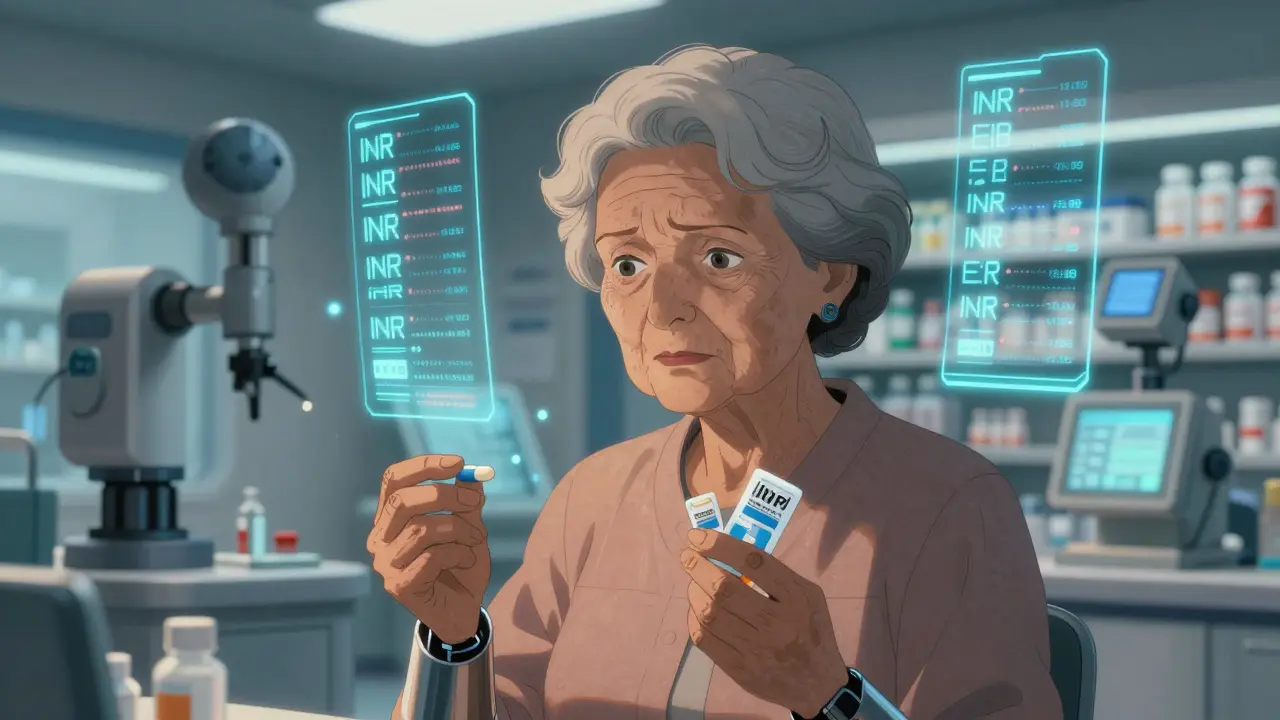
When older adults switch from brand-name drugs to generics, it’s not just a cost-saving move-it’s a health decision with real consequences. For many seniors, the shift saves hundreds a year. But for others, it triggers confusion, fear, or even dangerous side effects. The truth? Generics are legally required to work the same as brand-name drugs. Yet, nearly half of elderly patients still believe they’re less effective. Why? And what can be done about it?
Why Do Seniors Doubt Generic Medications?
It’s not irrational. Many older adults have been taking the same pill for years-same color, same shape, same logo. Then one day, the pharmacy gives them a different-looking tablet. Maybe it’s white instead of blue. Maybe it’s round instead of oval. No explanation. No warning. Just a lower price tag.
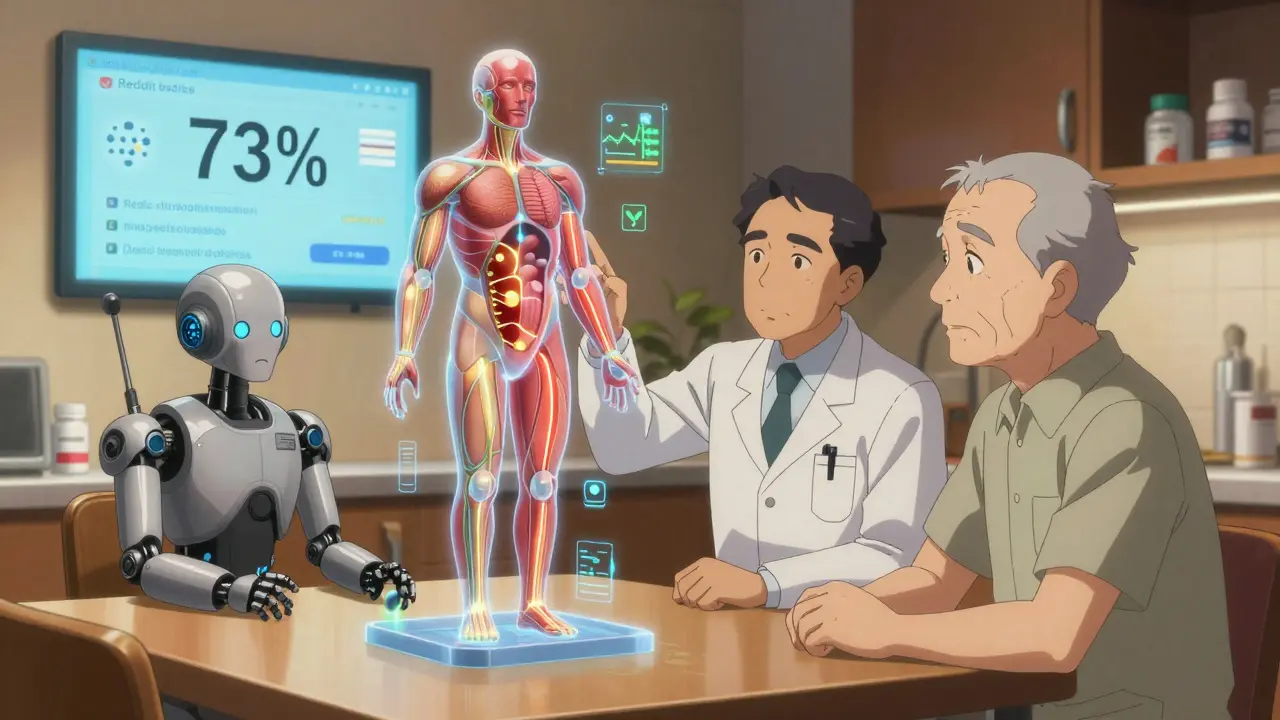
That’s when doubts creep in. A 2023 study of 315 Medicare patients in New York found fewer than half believed generics were as safe or as effective as brand-name drugs. That’s not because they’re misinformed-it’s because they’ve seen changes in how they feel after switching. Some report fatigue, dizziness, or worsening symptoms. In one Reddit thread with 147 comments from seniors, 73% said their thyroid symptoms returned after switching from Synthroid to generic levothyroxine.
It’s not always placebo. For drugs with a narrow therapeutic index-like warfarin, lithium, or levothyroxine-tiny differences in how the body absorbs the drug can matter. A 2021 Canadian study of over 134,000 patients showed an 18.3% higher risk of emergency room visits within 30 days of switching warfarin formulations. That’s why the American Geriatrics Society says: don’t automatically swap brand warfarin for generic without close INR monitoring.
How Aging Changes the Way Medications Work
As we age, our bodies don’t process drugs the same way. Kidneys slow down. Liver function drops. Body fat increases, muscle mass declines. All of this affects how drugs move through the body.
By age 85, over half of seniors have kidney function below 50 mL per minute-the level where even small differences in drug absorption can become meaningful. About one-third of seniors in this age group also have low body weight, which changes how drugs are distributed in the bloodstream. Combine that with polypharmacy (taking five or more medications daily), and the risk of harmful interactions climbs sharply.
According to the American Family Physician, taking nine or more medications or more than 12 doses a day doubles the chance of a dangerous reaction. And 45.8% of Medicare beneficiaries are already in that high-risk group. That’s why switching a single drug-even to a generic-can throw off the whole balance.
Which Medications Are Riskiest to Switch?
Not all generics are equal when it comes to elderly patients. Some drugs demand extra caution:
- Warfarin: Used for blood thinning. Small changes in absorption can cause dangerous clots or bleeding. The FDA and geriatric experts recommend strict INR monitoring after any switch.
- Levothyroxine: For thyroid disorders. Even minor shifts in hormone levels can cause fatigue, weight gain, or heart issues. Many seniors report feeling worse after switching-even when lab tests say levels are normal.
- Phenytoin: An anti-seizure drug. Bioequivalence margins are tight. Switching without monitoring can trigger seizures.
- Lithium: Used for bipolar disorder. Toxicity levels are narrow. A slight increase can cause tremors, confusion, or kidney damage.
- Anti-epileptics and immunosuppressants: These also require close tracking after any formulation change.
For these drugs, automatic substitution is not safe. Pharmacists and doctors should pause before swapping. A simple question: “Has this patient been stable on their current brand?” If yes, don’t switch unless there’s a clear reason-and always monitor.
Cost Savings Are Real-But So Are Adherence Problems
Let’s talk numbers. In 2022, Medicare Part D beneficiaries filled over 527 million generic prescriptions. That’s 89.2% of all prescriptions. The average savings? $602 per beneficiary per year. For someone on fixed income, that’s groceries, heating, or rent.
But here’s the catch: cost savings don’t mean better outcomes if patients stop taking their meds. Studies show noncompliance rates among seniors range from 21% to 55% when they switch to generics. Why? They think it’s weaker. They’re confused by the new pill. Or they don’t understand why the change happened.
One study found that seniors with low health literacy-36% of adults 65 and older-were twice as likely to believe generics were less effective. And when patients don’t trust their meds, they skip doses. That’s when hospitalizations start.
What Doctors and Pharmacists Can Do
Switching generics isn’t the problem. Poor communication is.
Here’s what works:
- Use the teach-back method. Ask the patient: “Can you tell me why we’re switching to this pill?” If they can’t explain it, you haven’t explained it well enough. Studies show this improves adherence by 42%.
- Show them the pills. Bring out both the brand and generic versions. Point out the differences in color, shape, markings. Say: “This is the same medicine, just made by a different company. It’s not weaker-it’s cheaper.”
- Involve the pharmacist. Clinical pharmacists reduce inappropriate prescriptions by 37% in elderly patients. They’re trained to spot dangerous combinations and explain substitutions clearly.
- Use decision tools. Computer systems that flag high-risk switches (like warfarin or levothyroxine) help doctors pause before approving changes.
It takes 15 to 20 minutes per patient to do this right. But that time prevents emergency room visits, hospital stays, and even deaths.

What Seniors Should Ask Before Switching
If you’re an older adult being switched to a generic, here’s what to ask:
- “Is this drug one that needs close monitoring?” (Like warfarin, levothyroxine, or lithium.)
- “Have I been stable on my current brand? Will switching put me at risk?”
- “Can I stay on the brand if I can afford it?”
- “Will my doctor or pharmacist check my blood levels after the switch?”
- “What should I watch for if I feel different?”
If the answer to any of these is “I don’t know” or “It’s automatic,” push back. Your health isn’t a cost center.
The Bigger Picture: Policy, Perception, and Progress
The FDA requires generics to be bioequivalent-meaning they deliver 80% to 125% of the active ingredient compared to the brand. That’s a wide range. For most drugs, it doesn’t matter. For some, it does.
In 2022, the FDA issued draft guidance asking manufacturers of complex generics (like inhalers or injectables) to do more testing for elderly patients. That’s a step forward.
But policy alone won’t fix perception. The 2024 National Action Plan for Adverse Drug Event Prevention targets NSAID-related harm-15.4% of all ADEs in seniors. That’s more than blood thinners. Why? Because people think “it’s just ibuprofen.” But for a 78-year-old with kidney trouble, it’s not.
Three NIH-funded studies are now tracking elderly patients on generics versus brands. Results will come in 2026-2027. Until then, we work with what we know: generics are safe for most. But for some, they’re not risk-free.
The goal isn’t to stop generics. It’s to use them wisely. With care. With conversation. With respect for how aging changes the body-and the mind.




9 Comments
Amy Ehinger
I’ve been watching this play out with my mom for years. She’s 82, takes six meds, and every time the pharmacy switches her levothyroxine, she gets this weird fatigue like she’s been dragged through a mud pit for a week. Lab numbers look fine, but she swears she’s not the same person. I don’t blame her for being scared-she’s been on that blue pill since 2008, and now it’s a white oval with ‘L45’ on it. No one ever sits down and says, ‘Hey, this is the same drug, just cheaper.’ It feels like they’re swapping out her comfort blanket for a paper towel.
And don’t get me started on the pharmacists who just hand over the new bottle like it’s a coupon. I had to call her doctor three times before they agreed to keep her on the brand. Turns out, she’s one of those people where the tiny absorption differences actually matter. I wish more docs knew this wasn’t just ‘old lady paranoia.’ It’s physiology.
Also, the fact that 45% of seniors are on nine or more meds? That’s not healthcare. That’s a juggling act with a chainsaw. Someone’s gonna drop a pill, and it’s gonna be someone’s grandparent.
Can we just… pause and talk? Like, actually talk? Not just check a box on the EHR? It’s not that hard. It’s just time. And time costs money. But so does a hospital bed.
I’m not anti-generic. I’m pro-not-getting-sick-because-someone-assumed-I’d-be-fine.
Niki Van den Bossche
Ah, the great pharmaceutical illusion-a modern myth wrapped in FDA approval and corporate spreadsheets. We’ve been conditioned to believe that bioequivalence is a sacred covenant, when in truth, it’s a statistical loophole dressed in white lab coats. 80% to 125%? That’s not medicine, that’s a casino roll. And we hand that to elderly bodies that have spent decades finely tuning their internal alchemy, only to have some algorithm in a pharmacy’s backend decide their thyroid is now a ‘cost optimization opportunity.’
Levothyroxine isn’t aspirin. It’s a hormonal scalpel. And yet, we treat it like a can of soup. The body isn’t a vending machine. You can’t swap the brand for a knockoff and expect the same existential resonance. Seniors aren’t irrational-they’re intuitive. They feel the shift in their bones before the labs catch it. There’s a metaphysical dimension to pharmacology that Big Pharma refuses to acknowledge because it doesn’t fit on a balance sheet.
Let’s not pretend this is about savings. It’s about the commodification of vulnerability. We’ve turned the twilight years into a profit margin. And the silence? That’s the real side effect.
Jan Hess
My dad switched to generic warfarin last year and ended up in the ER with a bleed. They didn’t tell him anything about monitoring. Just handed him the script. I was furious. But here’s the thing-we fixed it. We got him back on brand, started checking INR every week, and now he’s fine. Point is, it’s not about being anti-generic. It’s about being smart. Talk to your pharmacist. Ask the questions. Don’t assume. If your doc doesn’t explain it, find someone who will. This isn’t rocket science. It’s just common sense with a little hustle. We can do better. We just gotta speak up.
Gloria Montero Puertas
I’m sorry, but if you’re still clinging to brand-name meds because you ‘feel better’ on them, and you’re on Medicare, you’re part of the problem. This isn’t about comfort. It’s about sustainability. The healthcare system is collapsing under the weight of unnecessary spending. You think $600 a year per person doesn’t add up? It’s billions. Billions. And you want to keep paying for blue pills because they ‘feel’ right? That’s not health literacy-that’s emotional attachment masquerading as medical insight. The FDA doesn’t lie. The science is clear. If you’re having symptoms, it’s likely non-adherence, not bioinequivalence. Get your thyroid checked. Stop romanticizing placebo. And for the love of all that’s rational-stop treating your medication like a childhood teddy bear.
Tom Doan
It’s fascinating how quickly we dismiss elderly patients’ subjective experiences as ‘placebo’ or ‘noncompliance’ while simultaneously demanding rigorous bioequivalence testing for new drugs. The disconnect is almost poetic. A 78-year-old woman reports dizziness after switching generics-dismissed as ‘anxiety.’ A clinical trial shows a statistically significant increase in ER visits with warfarin switches-treated as ‘noise.’
Yet when a pharmaceutical company introduces a new branded drug with a 2% efficacy bump, it’s hailed as a breakthrough. Why the asymmetry? Is it because the elderly don’t vote? Don’t tweet? Don’t have market influence?
Perhaps the real issue isn’t the generic. It’s the institutional disregard for the human body as a complex, aging system. We treat medicine like software updates. But the human body doesn’t reboot. It remembers. And sometimes, it rebels.
Sohan Jindal
This is what happens when you let foreigners make our medicine. All these generics? Made in China or India. They don’t follow our rules. The FDA? A joke. My uncle took some generic and his heart started acting up. They said it was ‘bioequivalent’-bullshit. Our grandmas are getting poisoned because we’re too cheap to pay for American pills. We used to make good medicine here. Now we outsource it and then pretend it’s the same. Wake up people. This isn’t science. It’s betrayal.
Nishant Garg
Back home in India, we’ve been using generics for decades-no one blinks. But here’s the twist: we don’t just hand them out. We sit down. We show the patient the old pill and the new one. We explain, in their language, that the active ingredient is the same. We check in after a week. That’s culture. That’s care.
Here, it’s a transaction. In India, it’s a relationship. I’ve seen grandmothers in Delhi who can tell you the exact dosage of every pill they take, and why. No one forces them to switch. They’re involved. They’re respected.
Maybe the problem isn’t generics. Maybe it’s how we treat people as numbers instead of humans. You can’t cut costs by cutting compassion. It doesn’t add up. It just breaks people.
And yes, I’ve seen Indian-made generics work perfectly for my aunt’s blood pressure. But only because her doctor sat with her for 20 minutes and said, ‘This is your medicine. It’s safe. We’re watching.’ That’s the difference.
Annie Choi
The pharmacokinetic variability in narrow-therapeutic-index drugs is not theoretical-it’s clinically validated. We’re talking about Cmax and AUC fluctuations that cross the 20% threshold in vulnerable populations. When you layer on age-related renal clearance decline and polypharmacy-induced CYP450 inhibition, you’re not just playing with bioequivalence-you’re playing with lethal thresholds. The real failure isn’t the generic-it’s the lack of TDM protocols and clinical decision support integration at the point of dispensing. We need real-time INR alerts and AI-driven substitution flags. Not hand-waving. Systems. Because human error in this context is not negligence-it’s systemic malpractice.
Arjun Seth
You people are crazy. Everyone knows generics are fake medicine. The government is forcing this on seniors to save money. They don’t care if you die. My neighbor took the generic and got worse. Then he died. The hospital said it was ‘natural causes.’ Bull. It was the pill. The brand was good. The generic is poison. Stop listening to doctors. They work for Big Pharma. The truth is in the streets. You want to live? Stick to the blue pill. No matter the cost. They don’t want you healthy. They want you quiet.