Opioid and Benzo Risks: What You Need to Know About Danger, Dependence, and Safer Alternatives
When you take opioids, a class of powerful painkillers that include oxycodone, hydrocodone, and fentanyl. Also known as narcotics, they work by slowing down your central nervous system to reduce pain—but they also trigger intense euphoria that makes them easy to misuse. benzodiazepines, a group of sedatives like Xanax, Valium, and Klonopin used for anxiety, insomnia, and seizures. Also known as benzos, they calm your brain by boosting GABA, a natural calming chemical. Individually, both types of drugs carry risks. Together? They can shut down your breathing. The CDC reports that over 30% of opioid overdose deaths involve benzodiazepines. This isn’t rare—it’s predictable.
Why does this happen? Both drugs depress the brainstem—the part that controls breathing and heart rate. When taken together, they amplify each other’s effects. You might feel more relaxed, but your body is slowly losing its ability to keep you alive. People don’t always realize they’re at risk. Maybe they were prescribed an opioid for back pain and a benzo for sleep. Or maybe they took one for anxiety and the other for pain after an injury. It’s not always reckless use—it’s often well-intentioned care gone wrong. And because both drugs cause tolerance, people end up taking more over time, increasing the danger. Dependence can build in weeks. Withdrawal from either alone is tough. Withdrawal from both? It’s a medical emergency.
Thankfully, there are safer paths. For pain, physical therapy, nerve blocks, and non-opioid meds like gabapentin or acetaminophen often work just as well without the risk. For anxiety, CBT, mindfulness, and SSRIs have proven results without the sedation or addiction potential. Even when opioids or benzos are necessary, doctors now use the lowest dose for the shortest time possible. Digital tools that flag dangerous combinations—like those used in clinics to prevent interactions between generics—are helping cut these risks. And if you’re already on both, don’t stop suddenly. Talk to your doctor about a slow, supervised taper. Your life isn’t worth gambling on.
Below, you’ll find real, practical advice from people who’ve been through this. Whether you’re worried about a loved one, managing your own meds, or just trying to understand why your doctor is so cautious—these posts give you the facts without fear-mongering. No fluff. Just what you need to stay safe.
Georgea Michelle, Dec, 1 2025
Anxiety Medications: Benzodiazepines and Safety Risks When Mixed with Other Drugs
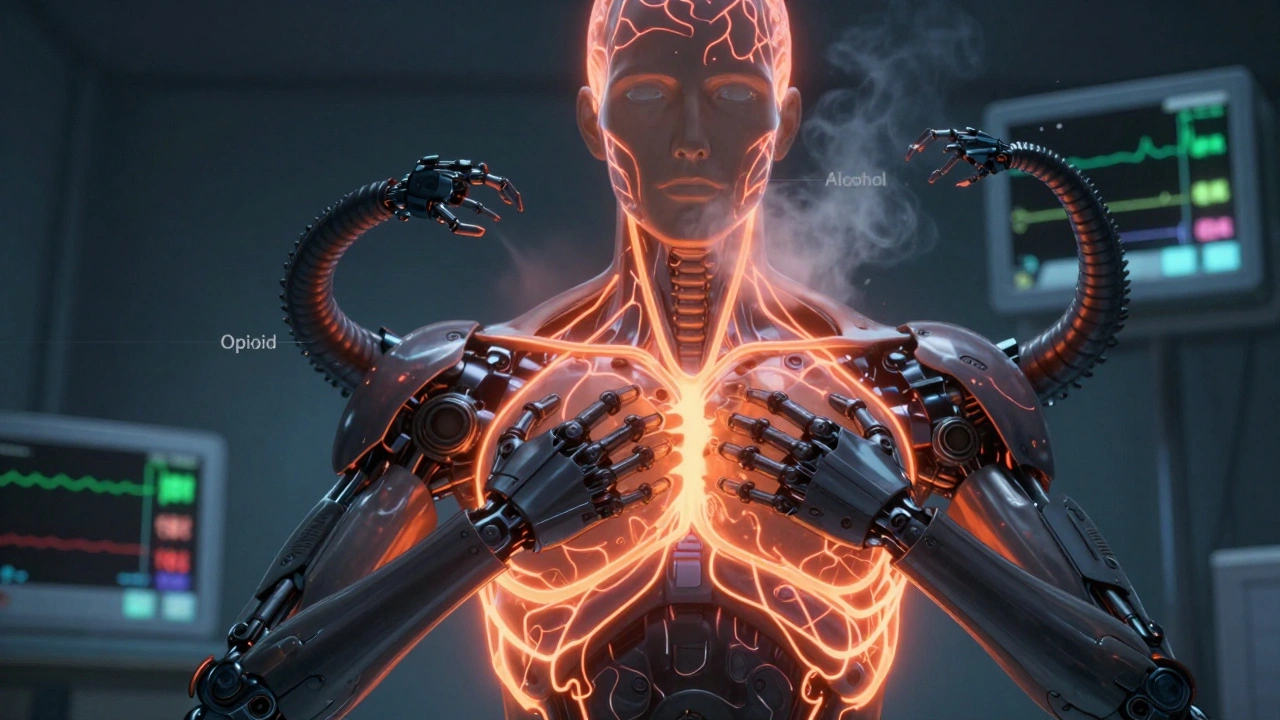
Benzodiazepines can quickly relieve anxiety, but mixing them with opioids, alcohol, or sleep meds can be deadly. Learn the real risks, what's changed since 2020, and safer alternatives.
View More