
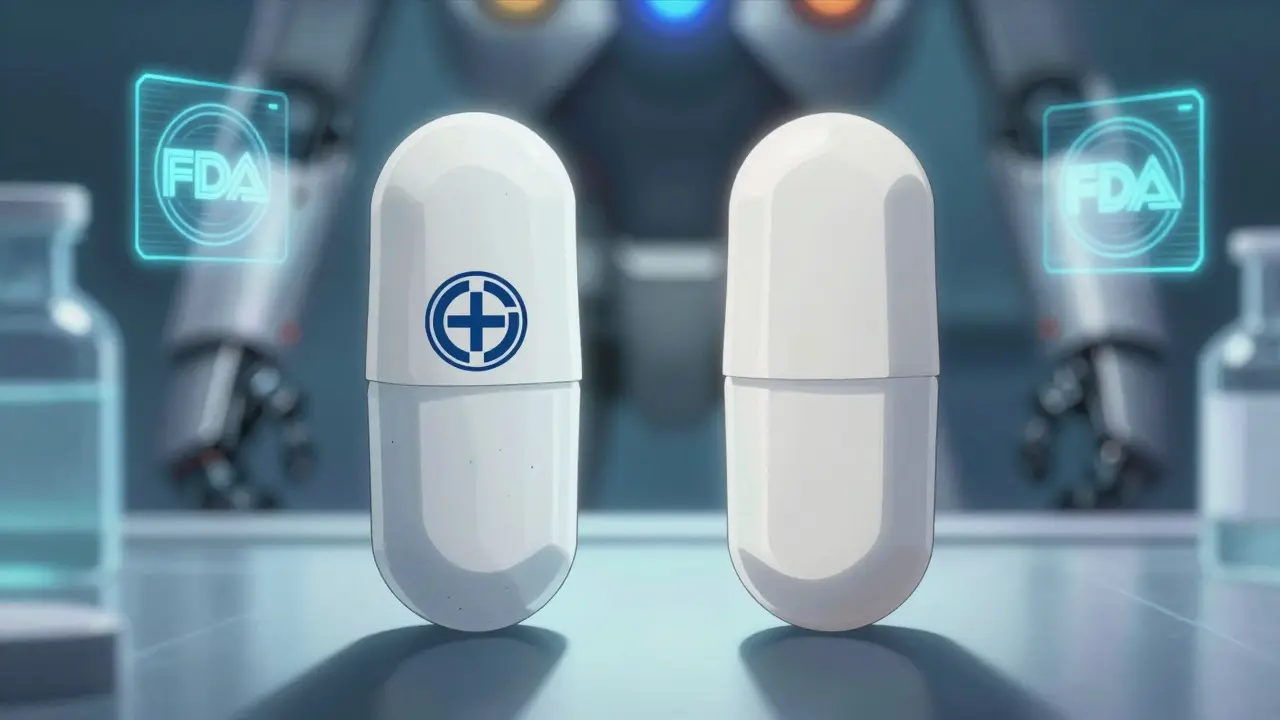
Ever opened your prescription bottle and seen a pill that looks exactly like your brand-name medication-but without the brand name on it? That’s not a mistake. It’s an authorized generic.
Authorized generics aren’t just cheaper versions of brand-name drugs. They’re the exact same pill, made in the same factory, with the same active and inactive ingredients, same coating, same size, same everything. The only difference? No brand name on the label. And yet, most people don’t know they exist-even though they’ve probably taken one without realizing it.
How Authorized Generics Are Different from Regular Generics
Regular generic drugs are copies of brand-name medications. They must contain the same active ingredient and work the same way in your body. But they don’t have to be identical in every way. The FDA allows generic manufacturers to use different inactive ingredients-like fillers, dyes, or binders-which can change the pill’s color, shape, or even how fast it dissolves in your stomach.
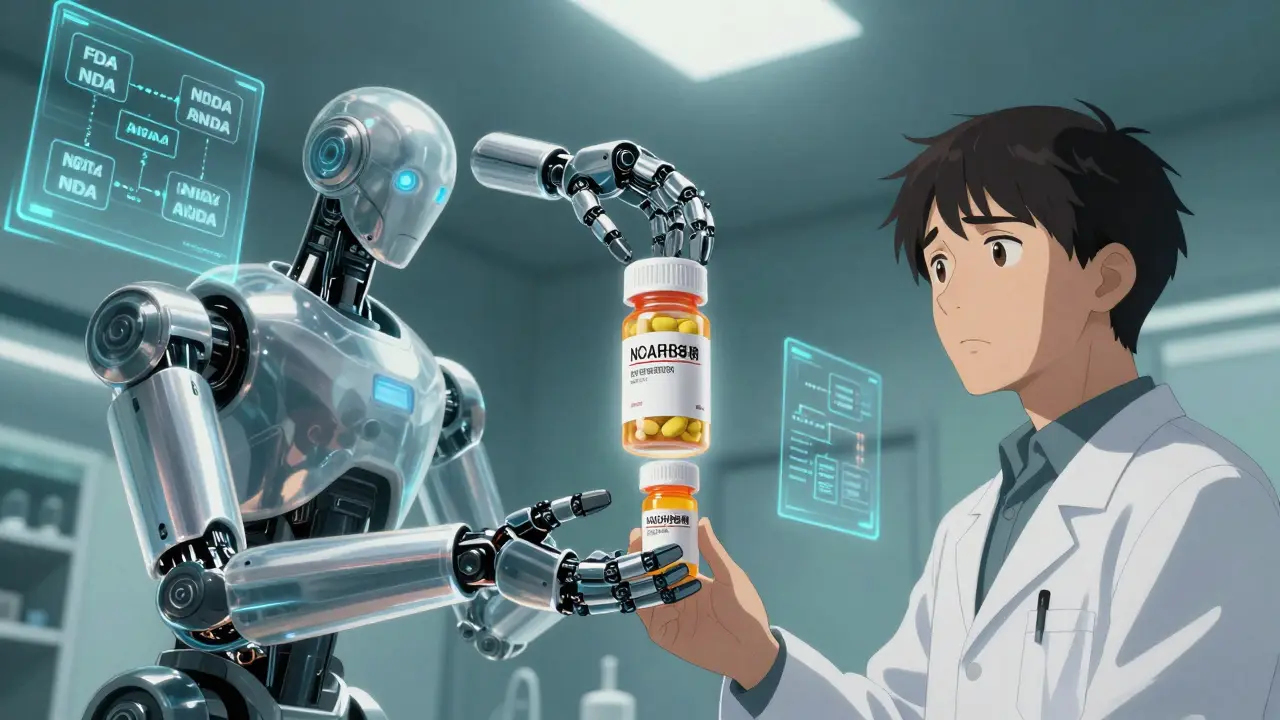
Authorized generics don’t have that flexibility. They’re made under the original brand’s New Drug Application (NDA). That means they use the exact same formula, the same manufacturing process, and often even the same machine that made your brand-name drug. If your brand-name drug was made by Pfizer, and Pfizer also makes an authorized generic version, it’s literally the same batch of pills-just packaged without the brand logo.
Traditional generics go through the Abbreviated New Drug Application (ANDA) process, which requires proving they’re bioequivalent to the brand. Authorized generics skip that step entirely. The FDA already approved the formula when it approved the brand name. All the maker needs to do is notify the FDA they’re selling it under a different label.
Why Do Brand-Name Companies Make Their Own Generics?
It sounds strange. Why would a company that spent millions developing a drug and protecting it with patents suddenly sell a cheaper version of it? The answer is business strategy.
When a brand-name drug’s patent expires, other companies can legally make generic versions. But that doesn’t mean the original company loses all control. By launching their own authorized generic, they can capture a big chunk of the market before competitors even get started. In fact, research shows that in 75% of cases, brand manufacturers launch their authorized generic after a traditional generic has already entered the market-often right before or during the 180-day exclusivity window granted to the first generic maker.
This isn’t charity. It’s market defense. If a brand-name company doesn’t act, they risk losing nearly all their sales to cheaper generics. But if they release their own generic, they keep a piece of the pie. Sometimes, they sell it at a price that’s 15-25% lower than the brand-but still higher than the traditional generics that come later. That gives them a way to keep revenue flowing while still offering patients a discount.
Companies like Pfizer, Teva, and AbbVie have used this tactic for decades. For example, the authorized generic of Concerta (methylphenidate ER) is made by Watson/Actavis, which is owned by the same parent company that originally made Concerta. The same goes for Celebrex’s authorized generic, made by Greenstone, a subsidiary of Pfizer.
Where You’ll Find Authorized Generics-and How to Spot Them
Authorized generics aren’t advertised like regular drugs. You won’t see TV commercials or billboards. They’re sold through pharmacies, often under private labels or through pharmacy benefit managers. If your pharmacist hands you a pill that looks just like your brand-name drug but has a different imprint or color, it might be an authorized generic.
They’re not listed in the FDA’s Orange Book, which is the official list of approved generic drugs. That’s because they don’t go through the ANDA process. Instead, the FDA maintains a separate, less-publicized list of authorized generics. Pharmacists and prescribers use this list to identify them.
Some common examples include:
- Colchicine (authorized generic of Colcrys)
- Methylphenidate ER (authorized generic of Concerta)
- Celecoxib (authorized generic of Celebrex)
- Levothyroxine (authorized generic of Unithroid)
These aren’t rare. Between 2010 and 2019, there were 854 authorized generic launches in the U.S. alone. That’s more than one per week, on average.
Do Authorized Generics Cost Less?
Yes-but not always as much as you’d expect.
Authorized generics are almost always cheaper than the brand-name version. In many cases, they’re 20-30% lower in price. But they’re often more expensive than traditional generics that come in after multiple manufacturers enter the market. Why? Because when only one company makes the generic, competition is low. Once three or four other companies start making the same drug, prices drop sharply.
That’s why timing matters. If you get your prescription filled right after patent expiration, you might get an authorized generic at a moderate discount. But if you wait six months, you could get a traditional generic for half the price.
For patients on fixed incomes or without good insurance, even a 20% savings can make a difference. For others, waiting for the full wave of generic competition might be smarter.
Why Patients Get Confused
Here’s the real problem: patients don’t know what they’re getting.
Most people assume that if a pill looks the same as their brand-name drug, it’s the same drug. And in the case of authorized generics, they’re right. But if you’ve been taking Brand X for years and suddenly get a pill that looks identical but says "Generic Colchicine" on the bottle, you might panic. Did the pharmacy mess up? Is this fake? Is it less effective?
Pharmacists often don’t explain the difference unless asked. And many patients never ask. That’s why confusion is common. Some patients report switching back to the brand name just because they didn’t recognize the new pill-even though it’s chemically identical.
Healthcare providers say this is one of the biggest challenges. Educating patients that an authorized generic isn’t inferior-it’s actually the same drug-is critical. But it takes time, and most visits are only 10 minutes long.

Are Authorized Generics Safe?
Yes. Absolutely.
The FDA says they’re "exactly the same" as the brand-name drug. No compromises. No shortcuts. The same quality controls. The same inspections. The same batch records.
Because they’re made under the original NDA, they’re held to the same standards as the brand. There’s no risk of bioequivalence issues-because there’s no need to prove equivalence. They’re already proven.
Some patients who had bad reactions to traditional generics-due to different inactive ingredients like lactose or dyes-often report better tolerance with authorized generics. That’s because the inactive ingredients are identical to the brand.
For people with allergies, sensitivities, or chronic conditions like epilepsy or thyroid disease, this matters. A small change in fillers can sometimes affect absorption. Authorized generics eliminate that variable.
What’s the Future of Authorized Generics?
They’re not going away. In fact, they’re growing.
As more brand-name drugs lose patent protection, manufacturers are using authorized generics as a standard tool in their playbook. It’s not a loophole-it’s a legal, FDA-approved strategy. And it’s working.
Some critics argue that authorized generics reduce competition. By letting the brand manufacturer keep a piece of the generic market, they delay the full drop in prices that happens when multiple companies compete. Researchers from Harvard and Health Affairs have pointed out that this can hurt long-term affordability.
But others say they give patients immediate access to lower-cost options when they need them most. And for patients who’ve struggled with side effects from traditional generics, they’re a lifeline.
Regulators are watching. If Congress or the FDA decides that authorized generics are undermining the intent of the Hatch-Waxman Act-which was designed to promote competition-they could change the rules. But for now, they’re legal, common, and here to stay.
What Should You Do?
If you’re taking a brand-name drug that’s about to go generic-or already has-ask your pharmacist:
- Is there an authorized generic available?
- Is it cheaper than the brand?
- Is it the same as the brand?
Don’t assume the cheapest option is always the best. Sometimes, the authorized generic is the sweet spot: same drug, lower price, no surprises.
If you’re switching from brand to generic and notice your medication looks different, don’t panic. Ask. Check the label. Look up the drug on the FDA’s authorized generic list. And if you’re unsure, talk to your doctor or pharmacist. You deserve to know exactly what’s in your pill.
Authorized generics aren’t magic. But they’re real. And for millions of Americans, they’re quietly making medications more affordable-without changing the medicine itself.
Are authorized generics the same as brand-name drugs?
Yes. Authorized generics are identical to the brand-name drug in every way: same active ingredient, same inactive ingredients, same dosage, same manufacturing process, and same quality standards. The only difference is the label-no brand name appears on it.
Why are authorized generics sometimes more expensive than regular generics?
Because they enter the market early, often before multiple generic manufacturers start competing. When only one company sells the generic version-whether it’s the brand maker or a licensed partner-prices stay higher. Once more generic makers enter, prices usually drop significantly. Authorized generics are priced to compete with the brand, not with the flood of later generics.
Are authorized generics listed in the FDA’s Orange Book?
No. The Orange Book only lists traditional generics that went through the Abbreviated New Drug Application (ANDA) process. Authorized generics are not included because they’re marketed under the original brand’s New Drug Application (NDA). The FDA maintains a separate, less-publicized list of authorized generics.
Can authorized generics cause different side effects than the brand?
No. Because they contain the exact same active and inactive ingredients, authorized generics do not cause different side effects than the brand-name version. This is a key advantage over traditional generics, which may use different fillers or dyes that can affect tolerance in sensitive patients.
How do I know if I’m getting an authorized generic?
Check the label: if the drug name matches your brand-name drug but lacks the brand name (e.g., "Colchicine" instead of "Colcrys"), it may be an authorized generic. Ask your pharmacist directly. They can check the FDA’s authorized generic list or your pharmacy’s inventory system. Sometimes, the pill will look identical to the brand, which is a strong indicator.

10 Comments
John Ross
Authorized generics are a fucking masterstroke of pharma economics. They exploit the Hatch-Waxman Act’s loopholes while pretending to be patient-friendly. Same factory, same batch, same damn pill - but now it’s branded as ‘generic’ so the manufacturer can charge 20% less than the brand and still crush real generics who have to go through ANDA hell. It’s not competition - it’s a corporate chokehold disguised as savings.
The FDA’s separate list? That’s not transparency - that’s obfuscation. Why hide it? Because if patients knew they were getting the exact same drug they’ve been paying $500 for, now sold for $120 under a different label, they’d riot. And the companies know it.
Tea and Pfizer aren’t doing this out of altruism. They’re buying time. Delaying the flood of true generics. Slowing price collapse. This is predatory capitalism dressed in white lab coats.
Clint Moser
ok so heres the thing… i think authorized generics are part of a big pharma plot to control the market and maybe even track us? like… if they make the exact same pill but just change the label… how do we know they didnt sneak in a chip? or change the inactive ingredients just a little? they say its the same but who really checks? the fda is bought. and what if the ‘authorized’ one is actually made in china but they just say its from the same factory? i mean… think about it. why would they even bother making a copy unless they wanted to control the supply chain? #conspiracy
Aaron Mercado
Let me tell you something, folks-this is not just unethical, it’s immoral. These corporations have the gall to market the exact same medication under a different label, then charge patients a ‘discount’-as if they’re doing us a favor! Meanwhile, they’re sitting on patents for decades, then-BOOM-launch their own generic to crush competition. And now they’re pretending they’re heroes for lowering prices? No. No. NO. This is a calculated, cold-blooded strategy to maintain profits while pretending to care. Shame on every CEO who sleeps at night knowing they’re exploiting sick people’s desperation.
And don’t get me started on pharmacists who don’t explain this! How many elderly people are terrified because their ‘brand’ pill suddenly looks different? They’re being manipulated. And nobody’s holding these companies accountable. Where’s the outrage?
Vikram Sujay
The emergence of authorized generics presents a nuanced ethical and economic dilemma. On one hand, they offer immediate cost relief to patients without compromising therapeutic integrity, particularly for those sensitive to excipients in conventional generics. On the other, they function as a strategic barrier to market entry by independent manufacturers, thereby delaying the full competitive pressure that historically drives down pharmaceutical prices. This duality reflects a broader tension between innovation incentives and equitable access. Perhaps regulatory frameworks must evolve to incentivize genuine competition while preserving patient safety-a balance not yet fully realized.
Jay Tejada
so like… i’ve been on levothyroxine for 8 years. switched to the ‘generic’ last year. looked exactly like my old pill. didn’t even notice. turned out it was an authorized generic. saved me $150/month. no weird side effects, no weird energy crashes. honestly? best thing that happened to my budget. thanks, big pharma… i guess?
Shanna Sung
They’re lying. They’re always lying. You think they don’t change the fillers? You think they don’t tweak the coating so it dissolves slower so you have to take it twice? They’ve been doing this since the 90s. I read a whistleblower report once. They call it ‘controlled bioavailability deviation.’ That’s not a typo. That’s the code. And your pharmacist? They’re paid to not tell you. You’re being dosed with a slow-release version disguised as the same thing. I’ve seen the emails. They’re watching your refill patterns. They know when you’re desperate.
Allen Ye
What’s fascinating here isn’t just the regulatory arbitrage-it’s the psychological dimension of pharmaceutical consumption. Patients equate brand with quality, not because of evidence, but because of branding, advertising, and decades of cultural conditioning. The authorized generic disrupts that cognitive schema by presenting the identical product under a neutral label. And yet, patients panic. Why? Because we’ve been trained to distrust anything that doesn’t carry a logo. We’ve been conditioned to believe that if it doesn’t look like the ad on TV, it’s not real. The real tragedy isn’t the corporate strategy-it’s that we’ve surrendered our agency to marketing. We’ve outsourced our medical trust to logos and pill colors. And now we’re shocked when the system exploits that very dependency. We didn’t just get sold a pill-we got sold a myth.
mark etang
Authorized generics represent a critical innovation in pharmaceutical accessibility. By leveraging the original NDA, manufacturers ensure therapeutic equivalence without compromising regulatory integrity. This model enables immediate patient cost reduction while maintaining the highest standards of quality assurance. It is a responsible, scientifically sound approach that aligns with public health objectives. Institutions should actively promote awareness of authorized generics as a preferred option during patent transitions to enhance medication adherence and reduce financial burden on vulnerable populations.
josh plum
Let’s be real-this isn’t about saving money, it’s about control. Big Pharma lets you think you’re getting a deal, but they’re still the ones selling it. You think a small pharmacy chain can compete with Pfizer’s distribution network? Nope. You’re just paying them less so they can keep the monopoly. And don’t even get me started on how they use this to kill independent generic makers. That’s not capitalism-it’s corporate bullying. And you’re all just happy you saved $20 while they laugh all the way to the bank.
Brendan F. Cochran
Authorized generics? Yeah, I get it. But why should I trust some Chinese factory making my thyroid med just because it says ‘same as brand’? We used to make pills in America. Now we outsource everything. This is just another way they’re screwing us. And don’t tell me ‘it’s the same’-if it was the same, why’d they change the label? Smells like a scam to me. America first, people. Buy American meds or don’t buy at all.