
What Exactly Is Generic Drug Contamination?
Generic drug contamination means unwanted substances - chemicals, bacteria, mold, or even tiny particles - end up in pills, capsules, or creams that are supposed to be pure. This isn’t just a paperwork issue. It can make a drug ineffective, cause new side effects, or even land someone in the hospital. The generic drug is a copy of a brand-name medication that must meet the same FDA standards for strength, quality, and performance. But while the active ingredient is the same, the manufacturing process isn’t always as tightly controlled.
Most of the world’s generic drugs come from overseas, especially India and China. About 80% of the active ingredients in U.S. prescriptions are made there. That means a lot of distance between where the drug is made and where it’s checked. The FDA is the U.S. agency responsible for ensuring drugs are safe and effective, but it inspects less than 1% of imported drugs each year. That leaves a huge gap.
How Contamination Happens: The Real-World Pathways
Contamination doesn’t happen by accident. It’s built into how some facilities operate. One major source is cross-contamination - when leftover residue from one drug gets mixed into another. Think of it like using the same spoon for peanut butter and jelly without washing it. In drug manufacturing, this can happen when shared equipment isn’t cleaned properly between batches.
Human error plays a huge role. Workers in cleanrooms shed about 40,000 skin cells per minute. Every movement generates particles. If someone doesn’t gown up correctly, or if the room isn’t sealed tightly, those particles can land in the product. A 2022 study found that 75-80% of particles in cleanrooms come from people.
Then there’s the physical handling of drugs. Piercing vials with needles, breaking open ampules, or withdrawing liquid from containers - these routine tasks cause 62% of hazardous contamination incidents, according to OSHA. Even small mistakes during packaging or labeling can introduce foreign materials.
Microbial contamination is another silent threat. For non-sterile oral drugs, the USP is the United States Pharmacopeia, which sets public standards for drug quality allows up to 1,000 colony-forming units (CFU) of bacteria per gram. That might sound low, but if the drug is meant for someone with a weak immune system, even that tiny amount can cause infection.
Why Generics Are More at Risk Than Brand-Name Drugs
It’s not that generic drugs are inherently unsafe. They’re required to be therapeutically identical to brand-name versions. But the business model is different. Brand-name companies often have 60-70% profit margins. Generic manufacturers typically make 20-25%. That means less money for clean rooms, better equipment, or extra testing.
FDA inspection data from 2022 shows 8.3% of generic manufacturing sites got flagged for contamination control problems - compared to just 5.1% for brand-name facilities. In India, where many generics are made, contamination-related issues showed up in 12.7% of inspections. In the U.S., it was 6.4%.
Older facilities are riskier. Plants built before 2000 have 34% higher contamination rates. Why? They weren’t designed with modern cleanroom standards in mind. Vertical integration helps - companies that make their own active ingredients (APIs) see 22% fewer contamination incidents. But many generics buy APIs from third parties, adding another layer of risk.
One bright spot? Some companies are leading the way. Teva’s facility in Bologna, Italy cut cross-contamination by 78% between 2018 and 2022 by using closed manufacturing systems - machines that handle drugs without ever exposing them to open air.
What Happens When Contamination Is Found?
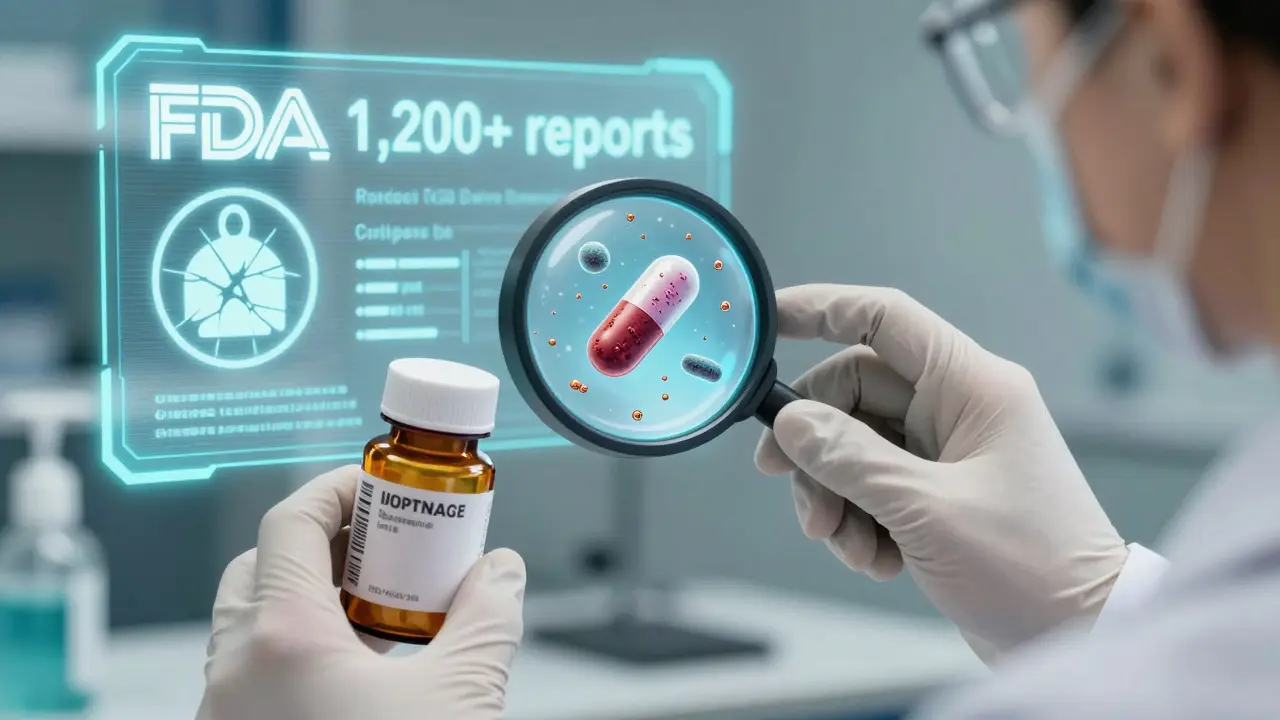
When a contaminated drug is discovered, the response is supposed to be fast. The FDA is the U.S. agency responsible for ensuring drugs are safe and effective has a system called MedWatch where patients and doctors can report problems. Between 2020 and 2022, over 1,200 reports were filed about possible contamination in generics. Nearly 400 of those involved actual harm - nausea, rashes, infections, even organ damage.
One documented case involved a patient who developed severe skin inflammation after using a contaminated generic hydrocortisone cream. The cream had traces of copper - a metal that shouldn’t be in topical steroids. The patient had no prior skin conditions. The contamination came from unclean mixing equipment.
Recalls happen, but they’re not always quick. The average cost of a recall for a generic drug is $18.7 million. That’s why some companies delay. In 2018-2019, a nitrosamine impurity in blood pressure drugs (valsartan) led to over 2,300 recalls across eight countries. It took months for manufacturers to even admit the problem existed.
Pharmacists on the front lines often feel powerless. A 2022 survey found that 28% of hospital pharmacists had encountered a potentially contaminated generic drug. Of those, 14% led to patient harm. But only 1 in 5 had the tools to test it themselves. Most rely on the manufacturer’s paperwork - which isn’t always trustworthy.
How Prevention Works: The Science Behind Clean Manufacturing
Good Manufacturing Practices (GMP) are the legal baseline. But GMP isn’t just a checklist - it’s a mindset. Every step must be documented, validated, and monitored.
Facilities must maintain cleanroom standards. For sterile drugs, that’s ISO Class 5 (equivalent to a hospital operating room). For non-sterile pills, it’s ISO Class 8. But many older plants can’t afford upgrades. A full cleanroom retrofit costs $2-5 million. Closed isolator systems - which physically separate the drug from the environment - add another $500,000 to $2 million per line.
Cleaning validation is critical. After making one drug, the equipment must be cleaned to remove at least 99.99% of residue. The FDA requires proof that no more than 10 parts per million (ppm) of the previous product remains. That’s verified by swabbing surfaces and testing them in a lab. But 28% of FDA inspection violations involve inadequate cleaning validation.
Microbial testing used to take 7 days. Now, rapid methods can detect contamination in 4 hours. Over 60% of top generic manufacturers have adopted these tools. They’re not cheap, but they prevent recalls. Mylan’s Morgantown plant cut contamination by 82% using real-time particle sensors and better gowning procedures.
What You Can Do: Protecting Yourself and Your Family
You don’t have to be a scientist to spot red flags. If a generic pill looks different - new color, unusual smell, odd texture - don’t take it. Report it to your pharmacist. If you notice a rash, nausea, or unusual fatigue after switching to a new generic, talk to your doctor. Write down the drug name, lot number, and when symptoms started.
Use the FDA’s MedWatch system. You can file a report online in under 10 minutes. Your report could help stop a dangerous batch before it reaches others.
Ask your pharmacist: "Is this generic from a U.S.-based facility?" or "Has this batch been tested recently?" Most won’t have the answer, but asking puts pressure on the system. Independent pharmacies often get better batches than big chains because they buy from fewer, more trusted suppliers.
Don’t assume all generics are equal. Some brands - like Teva, Mylan, and Sandoz - have better track records. You can’t always choose, but if you’re paying out of pocket and have options, ask.
What’s Changing in 2026 - And What’s Next
The FDA’s new PREDICT system now flags 37% more suspicious shipments than before. Since January 2023, all sartan-class blood pressure drugs must be tested for nitrosamines. That’s a direct result of the 2018-2019 crisis.
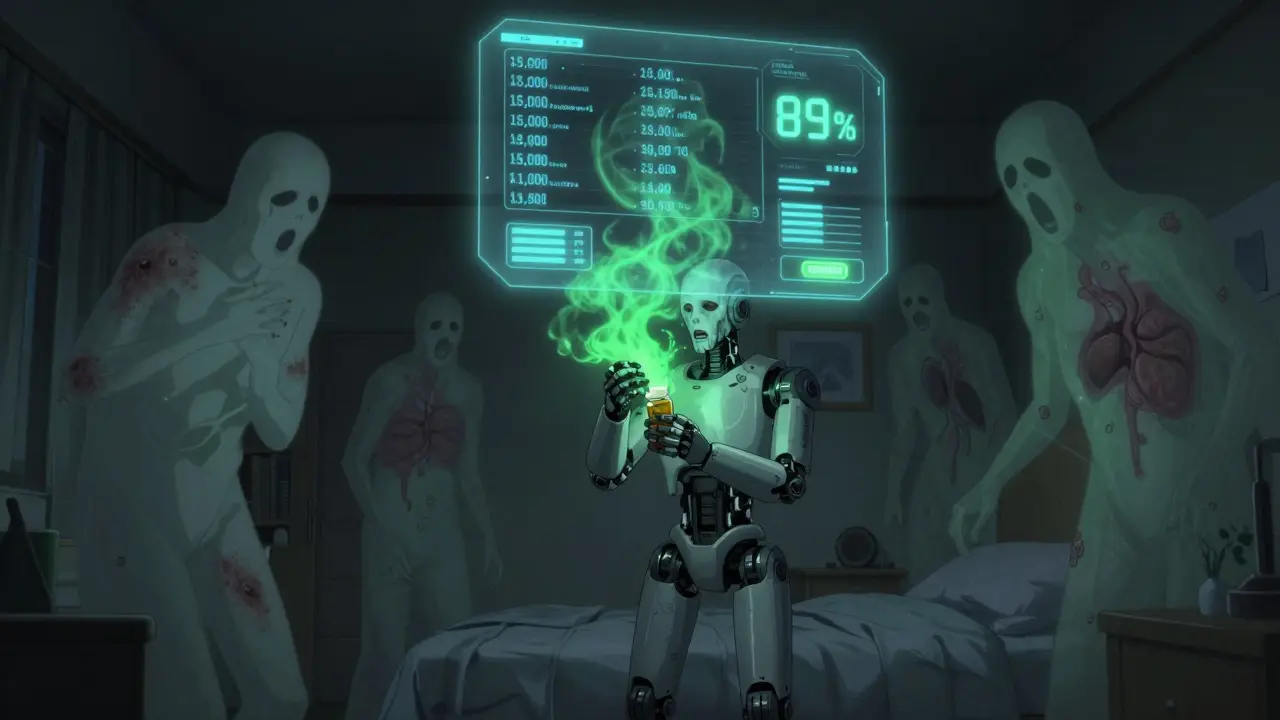
By 2024, the FDA plans to roll out AI systems that analyze 15,000+ data points per facility - temperature, humidity, particle counts, airflow - to predict contamination risks with 89% accuracy. That’s a game-changer. Instead of waiting for a problem to happen, they’ll stop it before it starts.
But the biggest challenge remains global supply chains. As long as 80% of APIs come from overseas, and inspections stay below 1%, the risk won’t disappear. Experts agree: better technology helps, but without more inspections, stricter penalties for bad actors, and more funding for manufacturers to upgrade, contamination will keep happening.
Final Takeaway
Generic drugs save billions of dollars every year. They’re safe - most of the time. But contamination risks are real, growing, and often invisible. The system isn’t broken - it’s stretched thin. Your awareness matters. Reporting odd side effects, asking questions, and pushing for transparency can make a difference. Don’t wait for a recall. If something feels off, trust your gut. Your health is worth it.
Can generic drugs be less safe than brand-name drugs?
By law, generic drugs must contain the same active ingredient, strength, and dosage form as the brand-name version. They’re required to work the same way. But safety isn’t just about the ingredient - it’s about how clean the manufacturing process is. Contamination can happen more often in generic facilities due to lower budgets, older equipment, and less oversight. So while the drug itself is equivalent, the risk of impurities is higher in some generics.
How do I know if my generic drug is contaminated?
You usually can’t tell by looking or feeling. But signs include unusual color changes, odd smells, new side effects after switching brands, or pills that dissolve differently. If you notice any of these, stop taking the drug and contact your pharmacist. Report it to the FDA’s MedWatch system. Pharmacists can check the lot number and see if there’s been a recall or alert.
Are all generic drugs made overseas?
No, but most are. About 80% of the active ingredients in U.S. generic drugs come from India and China. The final pills might be packaged in the U.S., but the key component is imported. Some U.S.-based companies make generics too - like Mylan and Teva - but they often still source APIs from overseas. The FDA inspects fewer than 1% of foreign facilities each year, so the origin matters more than the label.
What should I do if I think my medication is contaminated?
Stop taking it immediately. Keep the bottle and note the lot number. Contact your pharmacist and doctor. Report the issue to the FDA’s MedWatch system online - it takes less than 10 minutes. If you’ve had symptoms like rash, nausea, or dizziness, mention them. Your report helps the FDA track patterns and trigger investigations. Don’t wait for others to get sick - act early.
Is there a list of safe generic drug manufacturers?
The FDA doesn’t publish a "safe list," but some companies have better inspection records. Teva, Mylan, Sandoz, and Apotex have fewer contamination-related FDA 483 observations. You can check the FDA’s website for inspection reports on specific facilities - though it’s technical. If you’re paying out of pocket, ask your pharmacist if they source from a facility with a strong track record. Don’t assume all generics are the same.
Why doesn’t the FDA test every batch of generic drugs?
The FDA doesn’t have the resources. There are over 10,000 generic drug products on the market. Testing every batch would require thousands of labs and millions of dollars. Instead, the FDA uses risk-based inspections and random sampling. They focus on high-risk drugs (like injectables or those with narrow safety margins) and facilities with past violations. But with only 1% of imports inspected, many contaminated batches slip through. It’s a systemic gap, not a failure of intent.
Next Steps for Patients and Providers
If you’re a patient: Keep your medication bottles. Note lot numbers. Watch for changes in how you feel after switching generics. Report anything unusual - it matters.
If you’re a pharmacist or nurse: Don’t ignore odd-looking pills. Verify lot numbers against FDA recall lists. Push your pharmacy to source from manufacturers with better inspection records. Advocate for rapid testing tools if your facility uses compounding.
If you’re a prescriber: When possible, specify the manufacturer on prescriptions. If a patient reports a reaction, consider switching brands - not just to another generic. Document everything. Your notes can help uncover patterns.
The system isn’t perfect. But awareness, reporting, and asking questions are the best tools we have right now. Don’t assume safety. Verify when you can. Your health depends on it.
11 Comments
Eli In
I just switched my blood pressure med to a generic last month and noticed my hands started tingling. Didn't think much of it until I read this. 😔 Now I'm terrified to take anything. Thanks for the wake-up call.
Doug Gray
The systemic failure here is epistemological. We've outsourced our pharmacopeia to a global supply chain predicated on cost-efficiency over epistemic certainty. The FDA's 1% inspection rate isn't negligence-it's a structural inevitability under neoliberal governance. 🤷♂️
Kristie Horst
Oh, so now we're supposed to be pharmaceutical detectives? Let me just grab my lab coat and pH strip. Meanwhile, my insurance only covers the $4 generic, not the $120 brand-name version that might not have copper in it. Thanks for the advice, Captain Obvious.
Alex Flores Gomez
generic drugs rnt safe? lol. i mean, come on. the fda is a joke. i read a study that said 60% of pills from india have heavy metals. i stopped taking mine and now i feel better. no cap.
Keith Oliver
You think this is bad? Try being a pharmacist in rural Ohio. You get a shipment of 10,000 pills that smell like burnt plastic. You call the manufacturer. They send you a PDF of their GMP certificate. That's your answer. Welcome to healthcare.
ryan Sifontes
the whole system is rigged. big pharma owns the fda. the chinese government owns the factories. we're just lab rats in a pill factory. i stopped taking meds. i'm on turmeric now. it's working.
Laura Arnal
This is such an important post! 🙌 I work in a clinic and we’ve had two patients with rashes from generics last month. I started asking pharmacists for batch info and now I always check the lot number before handing out meds. Small actions matter! 💪
Jasneet Minhas
As someone from India, I must say: many of our manufacturers are world-class. But yes, the pressure to cut costs leads to corners. It’s not about nationality-it’s about corporate greed. We need global oversight, not blame.
Laia Freeman
I JUST GOT A NEW BATCH OF MY GENERIC AND IT LOOKS LIKE A DIFFERENT COLOR!! I WAS LIKE NOPE. NOPE. NOPE. I TOOK A PICTURE AND SENT IT TO MY PHARMACIST AND SHE SAID SHE'D CALL THE MANUFACTURER. THANK YOU FOR THIS POST!! I'M SO GLAD I DIDN'T JUST SWALLOW IT 😅
paul walker
I've been taking the same generic for 5 years. Never had an issue. But I always check the lot number online before I start a new bottle. It takes 30 seconds. Why not? Better safe than sorry.
rajaneesh s rajan
The irony? The same people who scream about 'Made in China' are the ones who demand $4 prescriptions. You can't have cheap drugs and perfect safety. Someone's gotta pay. Either you pay more, or the worker in Bangalore pays with their health.