Post-Herpetic Neuralgia: What It Is, How It Feels, and What Helps
When the post-herpetic neuralgia, a persistent nerve pain condition that follows an outbreak of shingles. Also known as herpes zoster neuralgia, it happens when the virus that causes chickenpox reactivates years later, damages nerve fibers, and sends confused pain signals to the brain—even after the rash is gone. This isn’t just a bad itch or a mild ache. It’s a burning, stabbing, or electric shock-like pain that can last for months or even years. People often say it feels like their skin is on fire, or like they’re wearing a tight, painful bandage they can’t take off.
It doesn’t happen to everyone who gets shingles, but if you’re over 60, your risk jumps significantly. So does the chance of it lasting longer. People with weakened immune systems, severe shingles rashes, or those who didn’t get the shingles vaccine are also more likely to develop it. The pain isn’t just physical—it messes with sleep, mood, and daily life. You might avoid touching your shirt, showering, or even sitting down because the pain is too sharp.
There’s no single cure, but treatments exist to help manage the pain. Some people find relief with topical creams like lidocaine or capsaicin. Others need prescription nerve pain meds like gabapentin or pregabalin. Antidepressants, even if you’re not depressed, can help calm overactive nerves. And while opioids are sometimes used, they’re not usually the best long-term fix because of side effects and dependency risks. The key is starting treatment early—waiting makes it harder to control.
What’s clear from real patient stories and medical data is that this pain doesn’t just vanish on its own. Many people suffer for years thinking it’s normal after shingles, when it’s not. It’s a medical condition that needs attention. The good news? With the right approach, most people can get their pain down to a manageable level. You don’t have to live with it.
Below, you’ll find real, practical guides on how to handle this pain, what medications actually work, how to avoid dangerous drug mixes, and what to ask your doctor when nothing seems to help. These aren’t theory pieces—they’re based on what patients and providers have seen work in clinics and at home.
Georgea Michelle, Nov, 25 2025
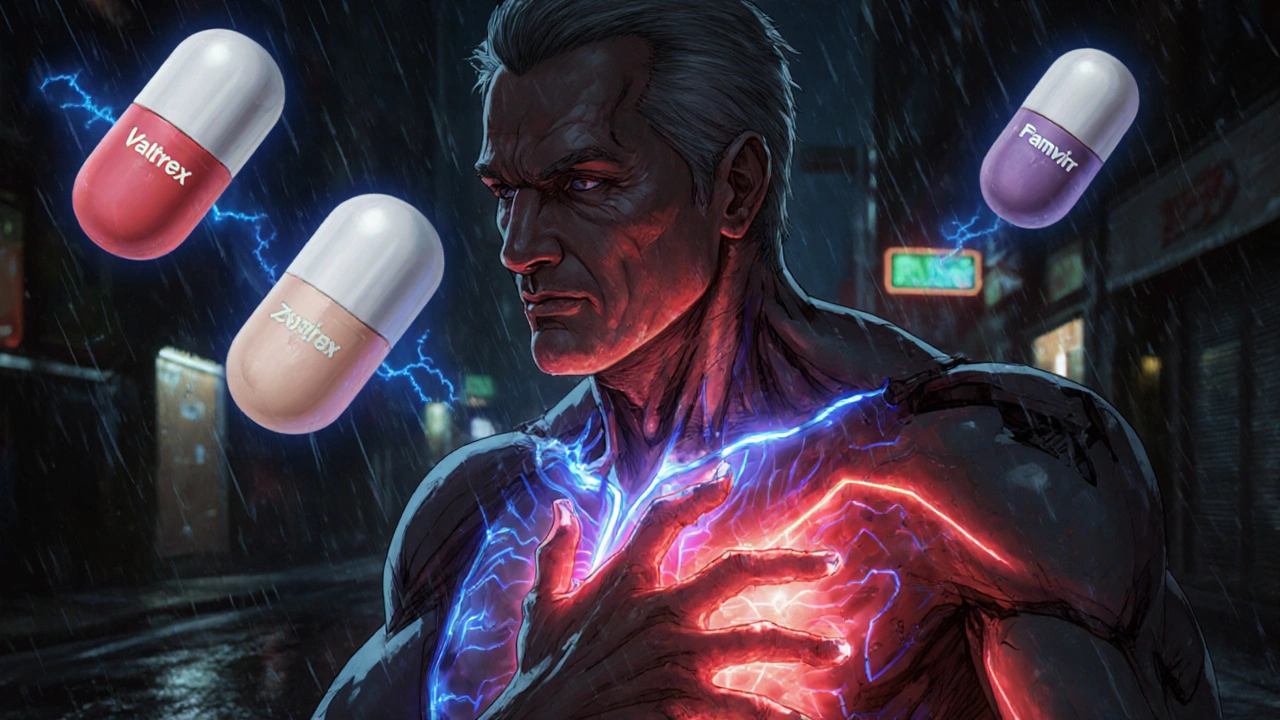
Shingles Treatment: Antivirals and Pain Relief That Actually Work
Shingles causes severe nerve pain and a painful rash. Early antiviral treatment within 72 hours reduces complications and shortens recovery. Learn the most effective pain management strategies and why vaccination is your best defense.
View More