Most people don’t realize that generic drugs make up 84% of all prescriptions filled in the U.S. Yet, if you walk into a pharmacy and ask someone to point out a generic medication, only 17% could do it correctly. Why? Because the way news stories talk about these drugs doesn’t match the science.
News Stories Focus on Fear, Not Facts
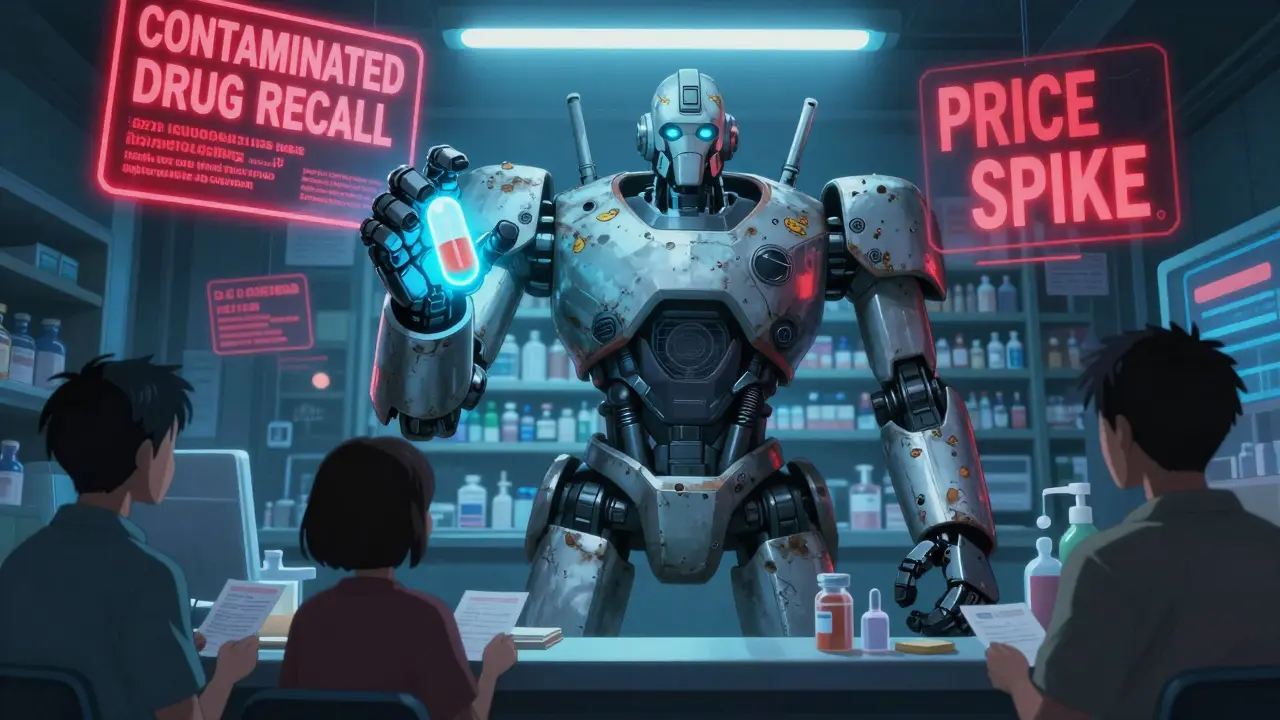
You’ve seen the headlines: "Contaminated Generic Drugs Reveal an Urgent Public Health Crisis," "How Some Generic Drugs Could Do More Harm Than Good," or "Medicines Made in India Set Off Safety Worries." These aren’t isolated cases. They’re part of a pattern. Media outlets often highlight rare failures, manufacturing issues, or price spikes - but rarely explain that these problems are exceptions, not the rule. The FDA approves every generic drug to be identical in active ingredient, dosage, strength, and effectiveness to its brand-name counterpart. That’s not opinion - it’s law. Yet, when a news article says "a drug recalled last week," they almost always use the brand name. Not the generic. That makes it sound like the brand itself is unsafe, when in reality, the generic version made by the same company was pulled too. A 2014 study in JAMA Network found that only 2% of U.S. newspapers had official policies requiring reporters to use generic names. Most don’t. They use "Lipitor" instead of "atorvastatin." Why does this matter? Because your brain doesn’t register "atorvastatin" as the same thing. It sees two different drugs. That creates confusion. And confusion breeds doubt.When Bad News Makes You Choose the Expensive Option
Imagine you just got diagnosed with high cholesterol. Your doctor suggests a generic statin. It’s cheaper. Your insurance covers it. But then you read a news story about a generic drug recall in India. Suddenly, you’re not thinking about cost. You’re thinking: "What if this one’s bad too?" A 2023 study from the University of Texas at Dallas found that after receiving negative health news - like a new diagnosis or a bad test result - patients were far more likely to demand brand-name drugs over generics. The effect was strongest in the first 90 days. That’s not because the generic changed. It’s because fear changed their behavior. And here’s the irony: people who take generics are actually more likely to stick with their treatment. Why? Because they can afford it. A 2023 US Pharmacist study showed patients on generics skip doses far less often than those on brand-name drugs. The cost difference isn’t just about money - it’s about consistency. But media coverage doesn’t tell you that. It tells you to be afraid.Doctors and Pharmacists Know Better - But Don’t Always Speak Up
Pharmacists understand generics better than almost anyone. A 2015 study showed pharmacists were significantly more likely to choose generic aspirin over brand-name aspirin for themselves. Why? Because they know the science. They’ve seen the data. They know the FDA’s standards are strict. But here’s the problem: patients rarely ask. And when they do, doctors often don’t explain. Many assume patients will just accept the generic. But patients aren’t asking because they’ve been told - by headlines, by ads, by word of mouth - that generics are "second-rate." The FDA’s Dr. Sarah Ibrahim says it plainly: "Perceptions are shaped by uncertainties about how the generic differs from the brand-name drug." And those uncertainties? They come from the media. Not from science. A simple conversation - "This generic has the same active ingredient, same dose, same results as the brand. The only difference is the color of the pill and the price" - can rebuild trust. But too often, that conversation never happens.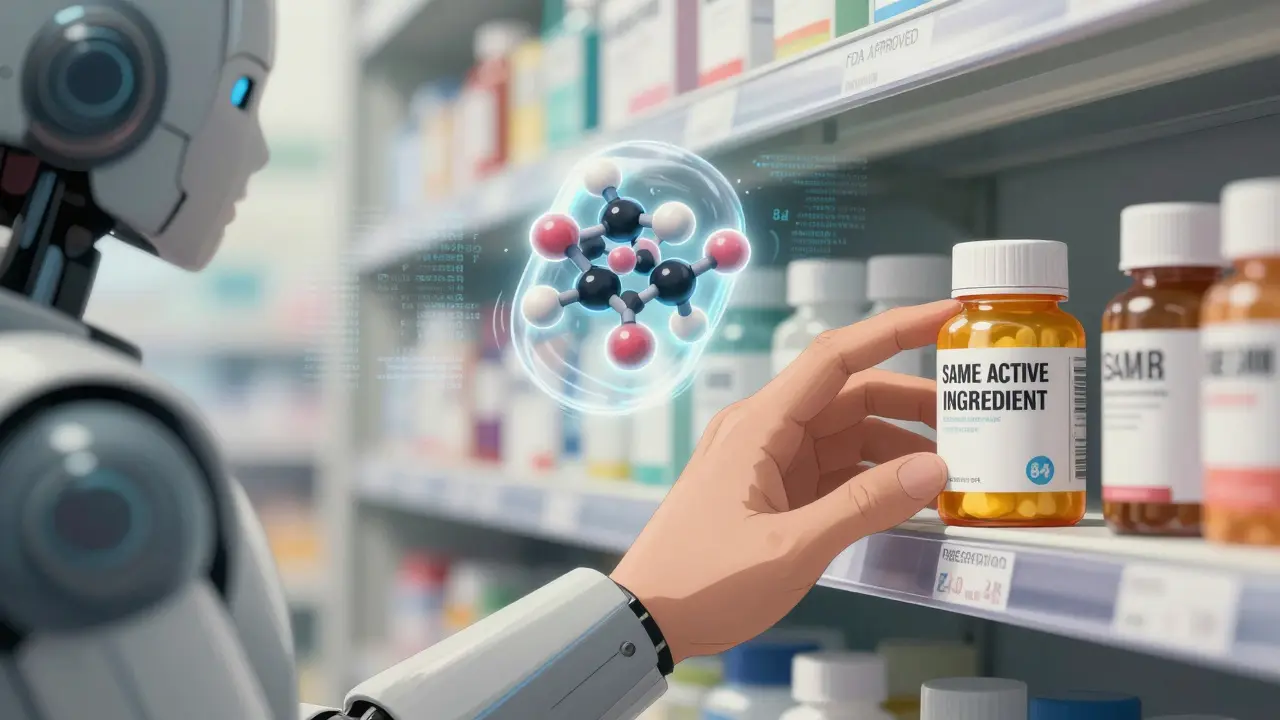
What’s Missing From the News? Context
When you hear about a generic drug price increase, it sounds alarming. But here’s what the news doesn’t tell you: drug prices drop by 20% when there are three or more generic competitors on the market. That’s not a guess. That’s from a 2023 HHS report. Media coverage rarely explains this. Instead, they spotlight a single company raising prices - and imply that’s the norm. In reality, competition drives prices down. But you won’t hear that in a 30-second news clip about "skyrocketing drug costs." And what about funding disclosures? The same JAMA study found that nearly all news stories about drug studies don’t say who paid for them. Was it the brand-name manufacturer? A generic maker? A nonprofit? You don’t know. That lack of transparency makes it impossible to judge bias.Why This Matters Beyond the Pharmacy
This isn’t just about pills. It’s about trust in the entire system. When people believe generics are unsafe, they start doubting regulators, doctors, even science itself. That’s dangerous. People stop taking medication. They delay treatment. They pay more. And worse - they get sicker. The cost of mistrust isn’t just financial. It’s health outcomes. A patient skipping doses because they’re afraid of a generic? That’s a preventable hospital visit. A family choosing between rent and a brand-name drug? That’s a crisis. And yet, the solution isn’t complicated. It’s simple: better communication.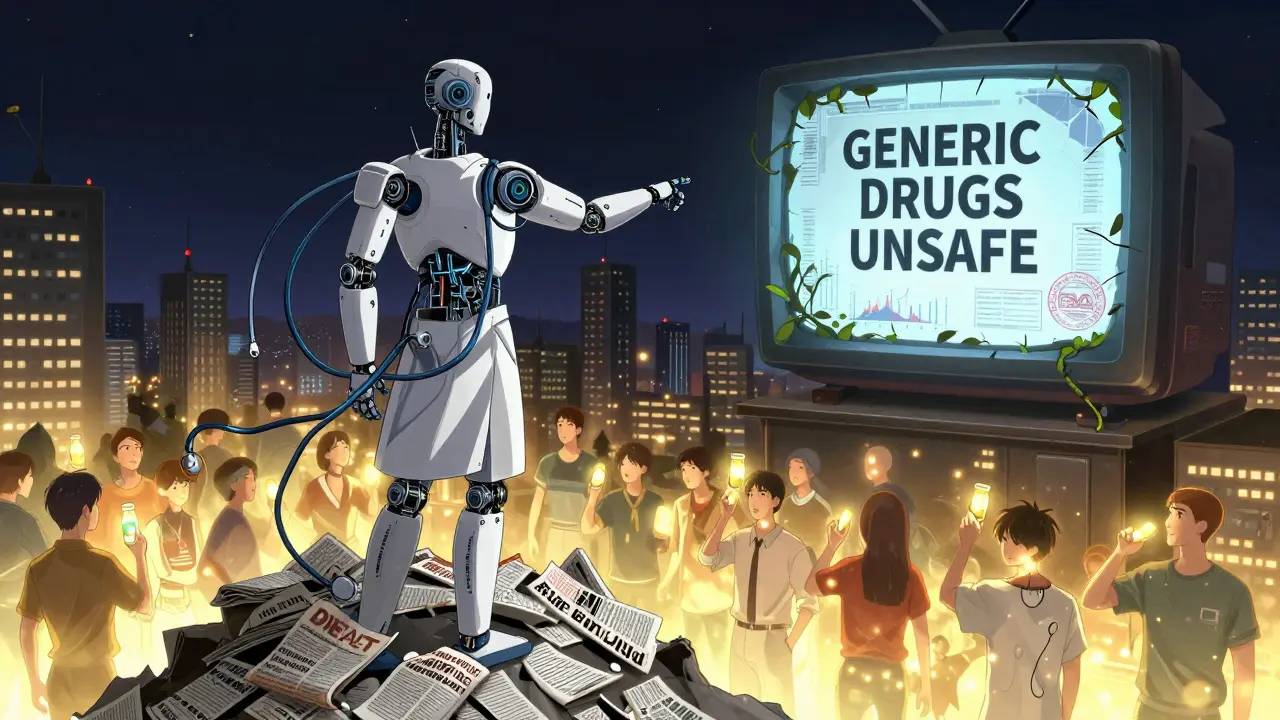
What Can You Do?
You don’t need to be a scientist to protect yourself from misleading headlines. Here’s what actually works:- Ask your pharmacist - "Is this generic the same as the brand?" They’re trained to answer this. Don’t be embarrassed to ask.
- Check the FDA website - They list every approved generic and its brand equivalent. No ads. No hype. Just facts.
- Look for the active ingredient - If your prescription says "atorvastatin," that’s the drug. The brand name is just marketing.
- Question headlines - If a story says "generic drug recall," ask: "Was this a brand-name version too?" Most of the time, yes.
- Share the truth - If someone says generics are unsafe, tell them: 84% of prescriptions are generics. If they were dangerous, we’d know by now.
Who’s Fixing This?
The FDA, pharmacists, and some patient advocacy groups are pushing for better education. Programs like "Utilizing Generic Drug Awareness to Improve Patient Outcomes" are training providers to talk about generics clearly. Insurers are starting to offer lower copays for generics. Some health systems now include educational materials right in prescription packets. But change won’t come from policy alone. It comes from people asking better questions - and demanding better stories. The science is clear: generics work. They’re safe. They save lives. The problem isn’t the drugs. It’s the noise.Frequently Asked Questions
Are generic drugs really the same as brand-name drugs?
Yes. The FDA requires generic drugs to have the same active ingredient, strength, dosage form, and route of administration as the brand-name version. They must also prove they work the same way in the body. The only differences are in inactive ingredients - like color, shape, or filler - which don’t affect how the drug works.
Why do some people say generics don’t work as well?
Most of the time, it’s not the drug - it’s perception. Some patients notice a different pill shape or color and assume it’s weaker. Others hear media stories about recalls or price hikes and worry. Studies show that when patients are properly educated about equivalency, their confidence in generics rises significantly. The science hasn’t changed - the belief has.
Is it true that most generic drugs are made in India or China?
Yes, many generic drugs are manufactured overseas - but so are brand-name drugs. The FDA inspects all facilities, whether they’re in the U.S., India, Germany, or China. A drug made in India isn’t automatically less safe. In fact, India is one of the largest suppliers of FDA-approved generics worldwide. The issue isn’t where it’s made - it’s whether it meets FDA standards. And the vast majority do.
Why do pharmacies sometimes switch my brand to a generic without asking?
In most cases, state laws allow pharmacists to substitute a generic unless the doctor specifically writes "dispense as written" or "no substitution." This is done to save money for you and the system. It’s legal, safe, and standard practice. If you’re uncomfortable with the switch, ask your pharmacist or doctor to note "no substitution" on the prescription.
Can I trust a generic drug that’s much cheaper than the brand?
Absolutely. Price differences come from marketing, advertising, and patent costs - not quality. Brand-name companies spend billions promoting their drugs. Generic makers don’t. That’s why generics cost 80-85% less. Lower price doesn’t mean lower quality. It means less spending on ads and more on making the drug.
What should I do if I think a generic drug isn’t working for me?
Don’t assume it’s the generic. Talk to your doctor. Sometimes, changes in how you feel are due to other factors - stress, diet, other medications, or even natural progression of your condition. If you truly believe the generic isn’t working, your doctor can switch you back to the brand - but only after ruling out other causes. Never stop or change your medication without professional advice.