Chronic Pain: Understanding Causes, Treatments, and How to Manage It Daily
When pain sticks around for more than three months, it’s no longer just a symptom—it becomes a condition of its own. This is chronic pain, persistent discomfort that continues beyond normal healing time, often without a clear physical cause. Also known as long-term pain, it can stem from old injuries, nerve damage, or even changes in how your brain processes signals. Unlike acute pain, which warns you something’s wrong, chronic pain can keep going even when the original injury is gone.
It’s not just about discomfort—it rewires your nervous system. People with chronic pain often develop nerve pain, a type of pain caused by damaged or overactive nerves, felt as burning, tingling, or electric shocks, which doesn’t respond well to regular painkillers. Many turn to medications like opioids, but those come with serious risks: addiction, tolerance, and dangerous interactions with other drugs like benzodiazepines or SSRIs. That’s why newer approaches focus on breaking the pain cycle without relying on pills that can hurt more than help. pain management, a multidisciplinary approach combining physical therapy, mental health support, and targeted medications to reduce suffering and improve function is the real goal—not just masking the pain.
What works? For some, it’s gentle movement and targeted rehab—like the shoulder exercises that help with rotator cuff pain. For others, it’s adjusting how they take their meds, like sticking to a consistent vitamin K intake if they’re on warfarin, or switching from one antidepressant to another to avoid serotonin syndrome. Even small changes—like how you store varenicline or when you take your blood pressure meds—can make a difference. Chronic pain isn’t one-size-fits-all, and neither are the solutions. The key is finding what fits your body, your life, and your risks.
Below, you’ll find real, practical advice from people who’ve been there: how to safely switch medications without brain zaps, why some pain meds backfire, what alternatives to opioids actually work, and how to avoid dangerous drug combos that could land you in the ER. No fluff. No theory. Just what helps—and what doesn’t—when you’re living with pain every day.
Georgea Michelle, Dec, 2 2025
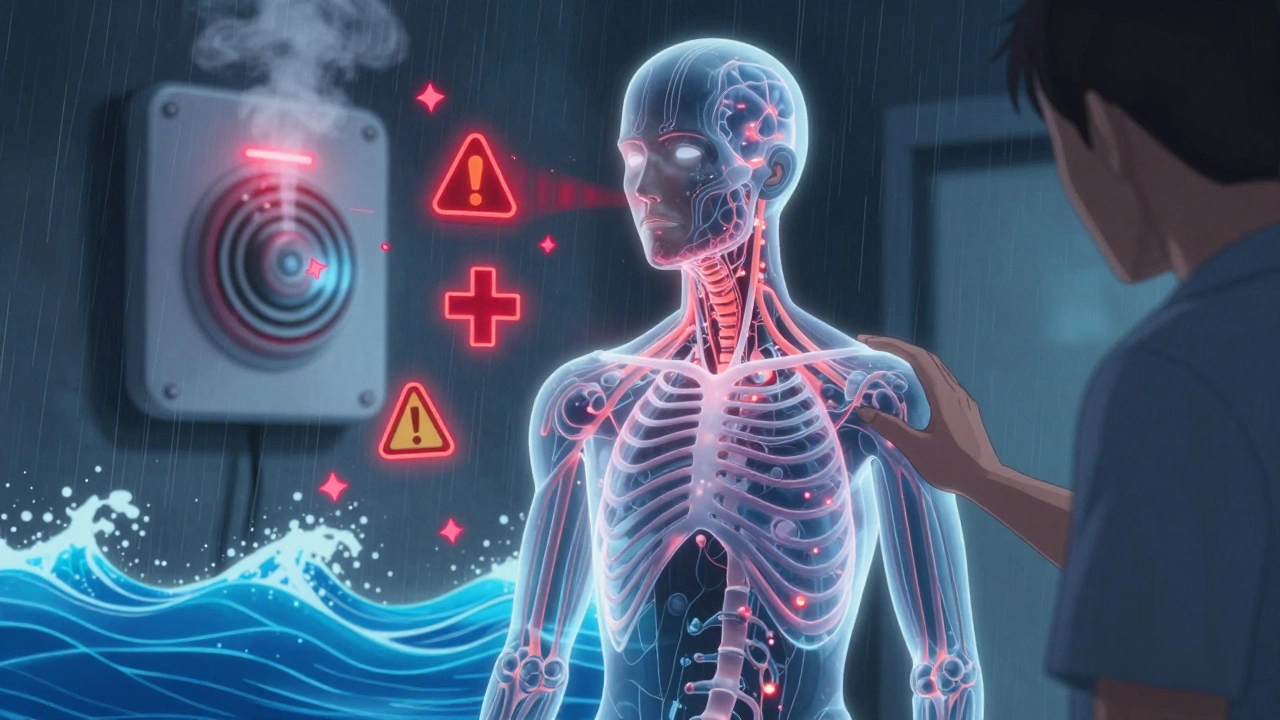
Pain Neuroscience Education: How Understanding Pain Can Change Your Experience
Pain Neuroscience Education helps people with chronic pain understand that their pain isn't always a sign of damage - it's often a hypersensitive nervous system. Learn how this science-backed approach reduces fear, improves movement, and changes lives.
View More