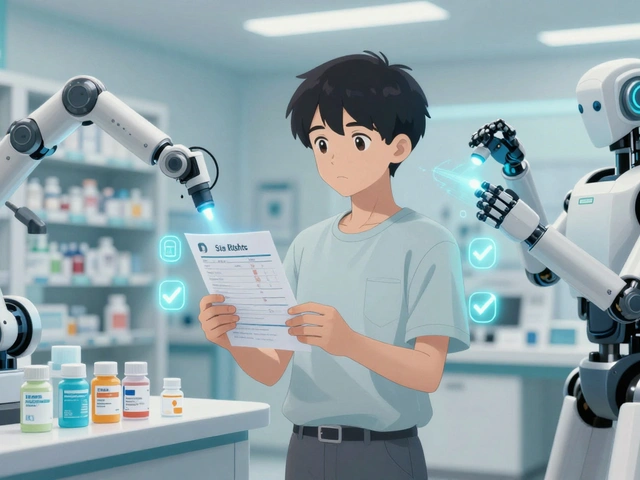
Have you ever checked the price of a generic pill - say, atorvastatin for cholesterol - and found it cost $12 in one state and $60 in another? It’s not a mistake. It’s not a glitch. It’s the system. Across the U.S., the same generic drug, made by the same factory, can carry wildly different price tags depending on where you live. And the reasons? They’re tangled in state laws, corporate contracts, and hidden middlemen you’ve never heard of.
How the Same Drug Costs Twice as Much in One State
Let’s say you need 90 tablets of generic lisinopril, a blood pressure medication. In Vermont, you might pay $4. In Georgia, you could pay $28. In California, your insurance might cover it for $10. In Texas, your copay could be $45. Same drug. Same manufacturer. Same active ingredient. But the price? It’s all over the map.
This isn’t random. It’s driven by three big factors: how your state pays for drugs, how pharmacy benefit managers (PBMs) operate in your area, and how many pharmacies are actually competing for your business.
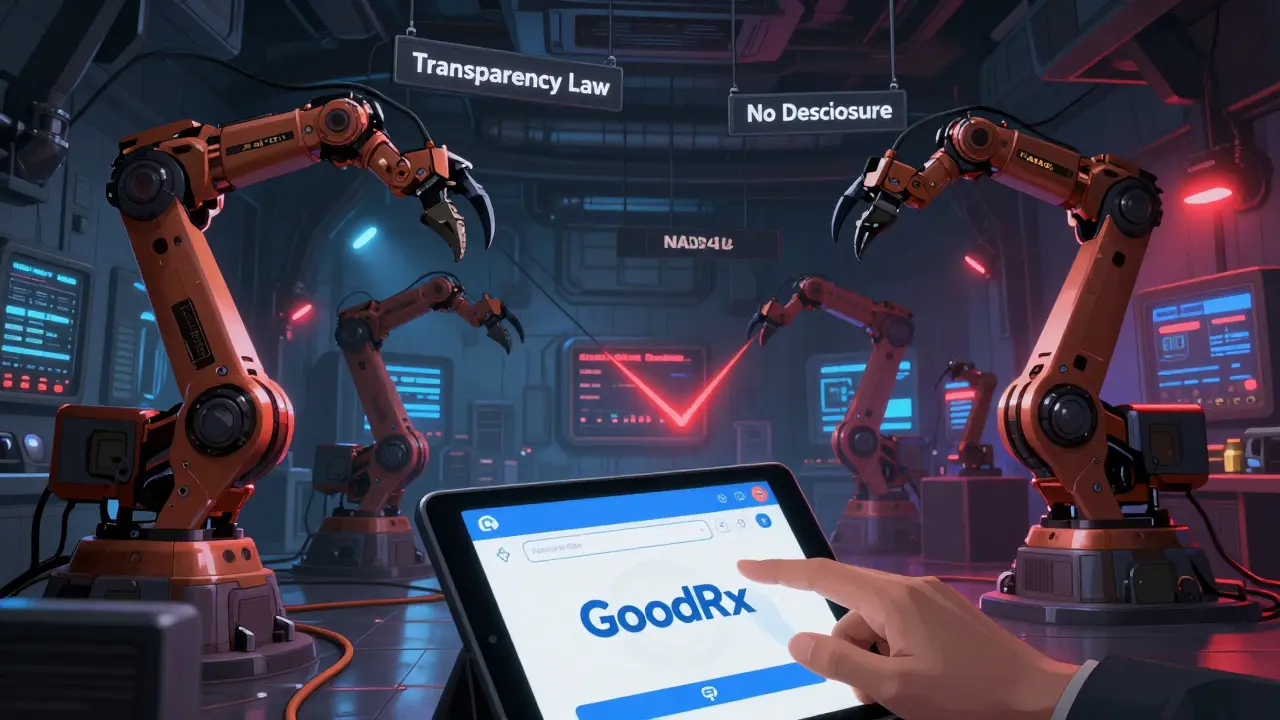
States like California and Maryland passed laws requiring drug companies and PBMs to report pricing data. These transparency rules forced some of the hidden markups into the light. In states with strong transparency laws, patients paid 8% to 12% less on average for generics than in states with no such rules. But not every state has these laws. And even where they exist, enforcement is patchy.
Who Really Controls the Price? The PBM Problem
Most people think their insurance company sets drug prices. It’s not them. It’s the pharmacy benefit managers - or PBMs. These are the middlemen between drug makers, pharmacies, and insurers. They negotiate discounts, manage formularies, and decide what you pay at the counter. But here’s the catch: PBMs don’t always pass savings along.
Research from the USC Schaeffer Center found that U.S. consumers overpay for generics by 13% to 20% because PBMs use confusing pricing models that hide how much they’re really making. For example, a PBM might agree to pay a pharmacy $5 for a drug, then charge your insurer $15. Your copay? $10. You think you’re saving money. But the PBM pockets the $5 difference. And since most states don’t require PBMs to disclose these spreads, you have no idea you’re being overcharged.
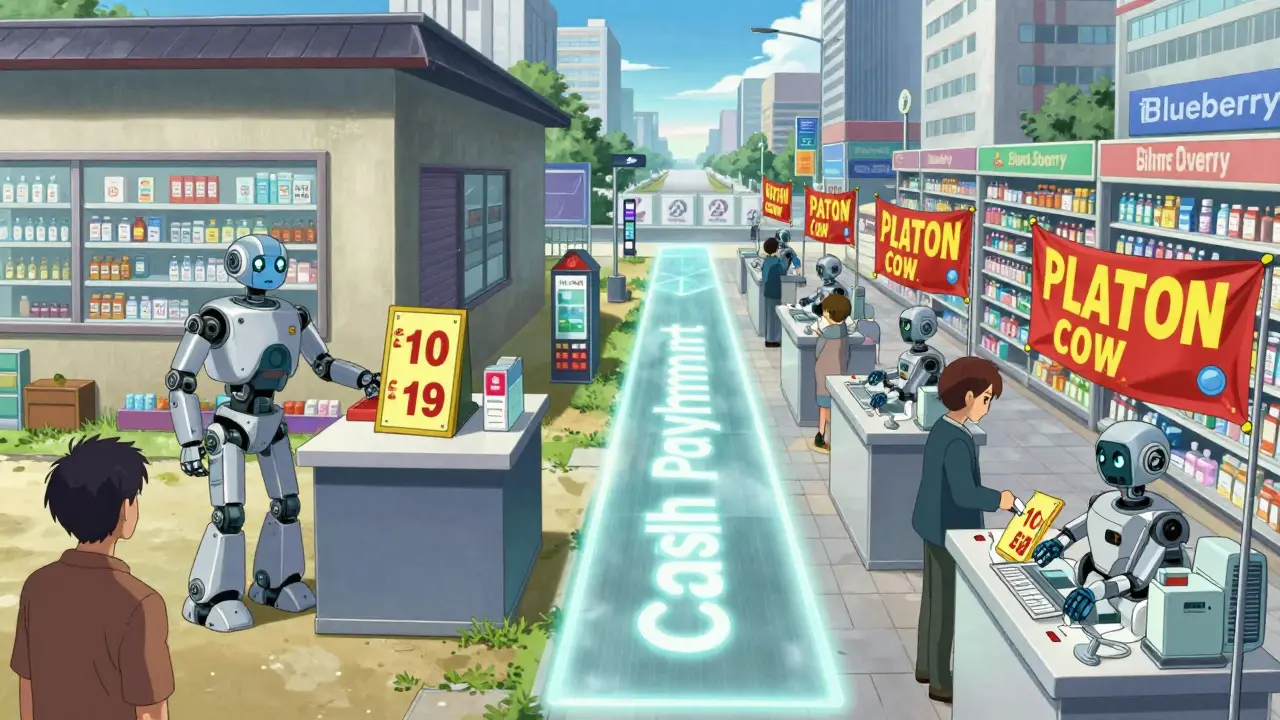
That’s why cash prices are sometimes lower than insurance prices. If you pay out of pocket at a pharmacy like Cost Plus Drug Company or Blueberry Pharmacy, you skip the PBM entirely. A 2022 GoodRx analysis showed that 97% of cash payments for generics saved people 30% to 70% compared to using insurance. That’s not a fluke. It’s a workaround built into a broken system.
Medicaid and Reimbursement Formulas - The Hidden Engine
Medicaid pays for drugs for millions of low-income Americans. Each state runs its own Medicaid program - and each uses a different formula to set how much it pays pharmacies for generic drugs.
Some states use the National Average Drug Acquisition Cost (NADAC), which updates monthly based on what pharmacies actually pay wholesalers. Others use the Average Wholesale Price (AWP), a list price that’s often inflated and outdated. A 2021 study showed that states using NADAC paid 15% to 25% less for generics than those using AWP. That difference trickles down: if Medicaid pays less, pharmacies have less money to spend on overhead, which affects how much they charge everyone else.
And it gets worse. In 2023, CMS updated Medicaid’s rebate calculation method. Now, states that pay more for drugs get bigger rebates. So some states are actually incentivized to pay higher prices - just to collect more money back. It’s a perverse loop that keeps prices high.
Competition - Or the Lack of It
Where you live affects how many pharmacies are around to compete for your business. In rural areas, you might have one pharmacy. In cities, you might have five. That difference changes prices.
When multiple pharmacies compete, they lower prices. When there’s only one? They can charge more. A 2022 analysis of GoodRx data showed that rural counties had generic drug prices 40% higher than urban ones. In states with fewer pharmacies per capita - like West Virginia or Mississippi - prices stayed stubbornly high. In states with more pharmacy density - like Massachusetts or Oregon - prices dropped.
And it’s not just about quantity. It’s about ownership. Big pharmacy chains often contract with the same PBMs. That means even if you walk into three different CVS or Walgreens stores, you might be paying the same inflated price because they’re all using the same hidden pricing structure.
What the Law Can - and Can’t - Do
States have tried to fix this. Vermont led in 2016 with transparency laws. Maryland passed a law in 2017 to stop generic drug price gouging. California followed with its own rules. But in 2018, a federal appeals court ruled Maryland’s law unconstitutional. Why? Because it interfered with interstate commerce. The court said states can’t regulate drug prices that cross state lines.
That ruling scared off other states. Nevada’s attempt to cap diabetes drug prices was dropped after manufacturers threatened to sue under trade secrets laws. So now, most states are stuck. They can’t cap prices. They can’t force PBMs to disclose margins. They can only ask for data - and hope someone looks at it.
The Inflation Reduction Act of 2022 tried to help - but only for Medicare patients. It capped insulin at $35 a month and will cap out-of-pocket drug spending at $2,000 by 2025. But that only covers about one-third of drug users. The rest? Still at the mercy of state-by-state pricing chaos.
How to Save Money - No Matter Where You Live
You can’t change your state’s laws. But you can change how you pay.
- Use GoodRx or SingleCare. These apps show cash prices at nearby pharmacies. Often, the cash price is lower than your insurance copay - even if you’re insured.
- Ask for cash. Tell the pharmacist you want to pay cash. Don’t let them automatically run it through insurance. You might save half the cost.
- Check mail-order pharmacies. Some states have programs that let you order 90-day supplies at lower rates. Ask your state’s health department.
- Switch to Cost Plus Drug Company or Blueberry Pharmacy. These are direct-to-consumer pharmacies that cut out PBMs. Prices are fixed and transparent. They’re not everywhere yet - but they’re expanding.
- Know your state’s rules. If your state has transparency laws (like California, Colorado, or Maine), you can request pricing data from your insurer. It’s your right.
The bottom line? Generic drugs are supposed to be cheap. But the system has turned them into a lottery. Where you live determines whether you pay $5 or $60 for the same pill. And until PBMs are forced to be transparent, your best tool is knowing how to game the system - not waiting for it to fix itself.
What’s Next?
Experts predict state-level pricing gaps will narrow slightly by 2026 as more Medicare reforms take effect. But they also warn that real savings won’t come from regulating drugmakers - they come from cutting out the middlemen. PBMs still control 80% of the generic drug market. If states can’t regulate them directly, the only way to win is to bypass them.
That’s why cash payments are rising. That’s why direct pharmacies are growing. That’s why people are learning to shop for drugs like they shop for groceries - comparing prices, choosing options, and refusing to accept what’s handed to them.
The system is broken. But you don’t have to be.
Why is my generic drug more expensive than my friend’s even though we have the same insurance?
Even with the same insurance plan, prices can vary because your insurance company may use different pharmacy networks in different states. Also, pharmacy benefit managers (PBMs) negotiate separate deals with each pharmacy. So if your friend lives in a state with more competition or better transparency laws, they may pay less - even if you both have the same insurer.
Can I legally buy generic drugs from another state to save money?
Technically, yes - but it’s not practical. You can’t legally import prescription drugs from other countries, and buying from out-of-state pharmacies requires shipping, which can be slow and risky. The easier solution is to use price comparison tools like GoodRx to find the lowest cash price near you - even if it’s in a neighboring county.
Why does paying cash sometimes cost less than using insurance?
Insurance doesn’t always cover the real cost. Your copay is based on what your PBM and insurer agree on - not the actual drug price. PBMs often set high list prices and then give pharmacies rebates. You pay the copay, but the PBM keeps the difference. Paying cash skips all that. You pay the pharmacy’s actual cost, which is often much lower.
Do all states have laws to control generic drug prices?
No. As of 2025, only about 18 states have enacted some form of drug pricing transparency law. Most states still have no rules requiring PBMs or pharmacies to disclose how prices are set. That’s why prices vary so wildly - there’s no consistent standard.
Will the Inflation Reduction Act fix state-level price differences?
Not directly. The Inflation Reduction Act only applies to Medicare Part D beneficiaries, who make up about one-third of drug users. It caps insulin and out-of-pocket spending for seniors, but it doesn’t change how PBMs operate or how states set reimbursement rates. For non-Medicare patients, the law has little effect on state-by-state pricing gaps.